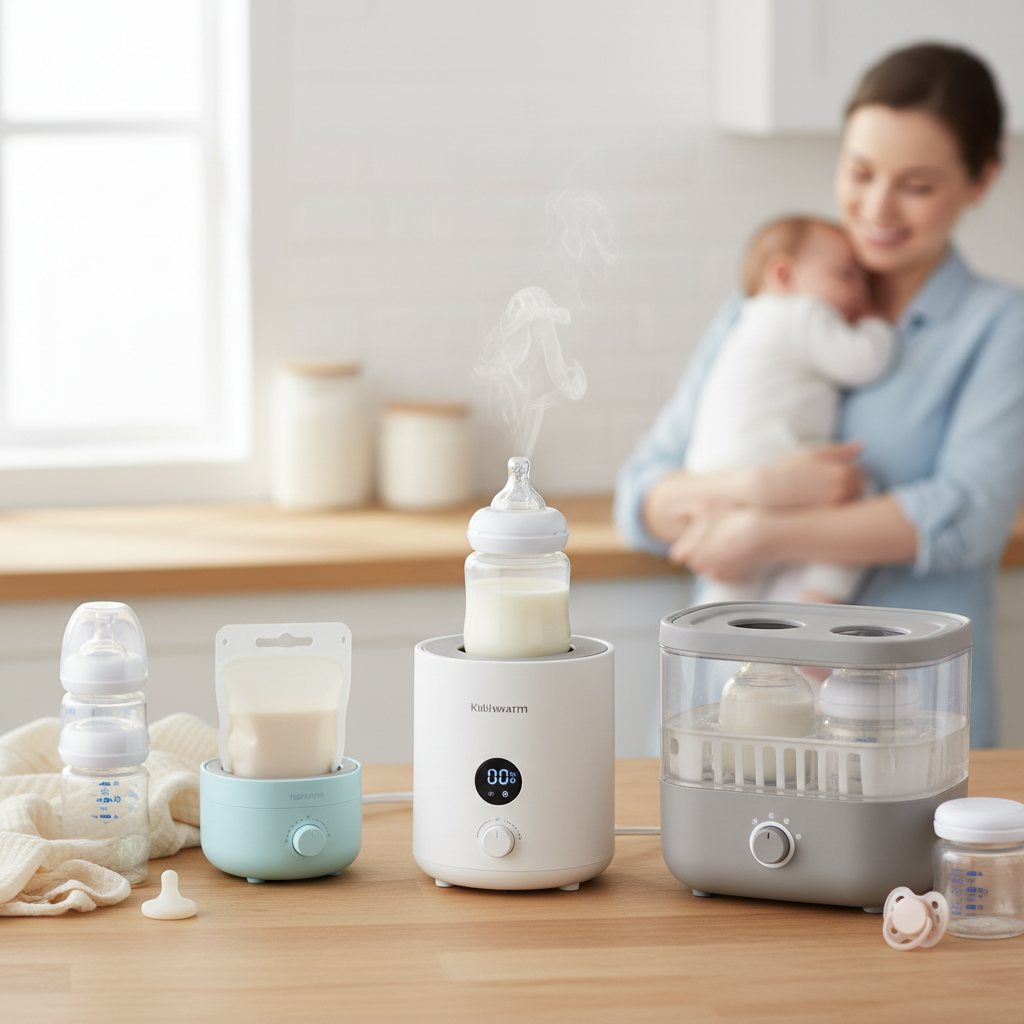
Navigating the world of baby essentials can be overwhelming, and even seemingly simple items like a bottle warmer come with specific care instructions. Among the most crucial recommendations for maintaining your bottle warmer is the consistent use of distilled water. This isn’t just a suggestion; it’s a vital step to ensure the longevity and optimal performance of your appliance. Without it, you risk not only shortening your warmer’s lifespan but also compromising its efficiency at the most critical times.
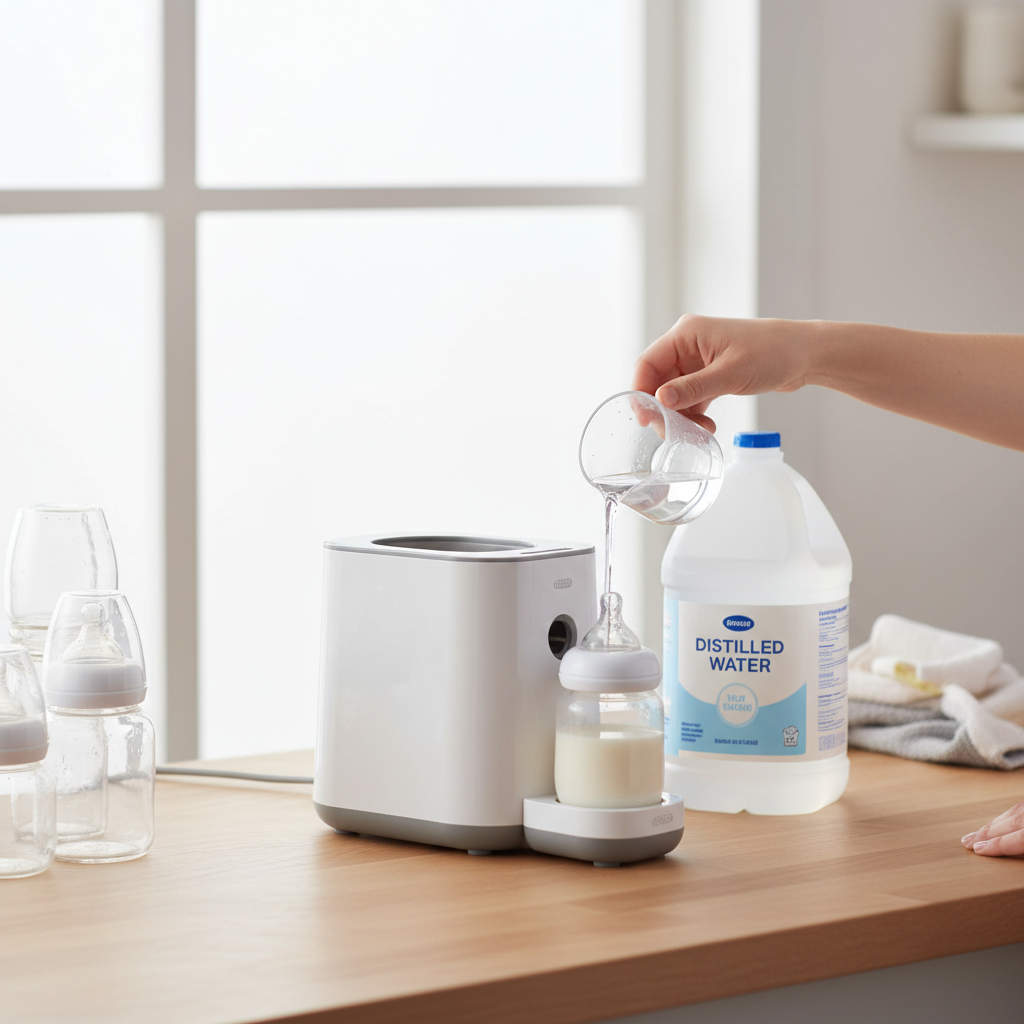
The Unseen Threat: Why Tap Water Harms Your Bottle Warmer
When you fill your bottle warmer’s reservoir with tap, filtered, or even most bottled waters, you’re introducing more than just H₂O. These water sources contain varying levels of dissolved minerals, such as calcium, magnesium, and other impurities. While harmless for drinking, these minerals become problematic when heated. As water evaporates during the warming process, these non-volatile minerals are left behind, gradually accumulating on the heating element and interior surfaces of your appliance. This insidious buildup, often visible as a white, crusty scale or even a brownish “rust” color, is the primary culprit in damaging your bottle warmer.
The Science Behind Distilled Water and Its Benefits
Distilled water undergoes a rigorous purification process where it is boiled into steam and then condensed back into liquid. This process effectively removes almost all dissolved solids, minerals, chemicals, and contaminants, leaving behind virtually pure H₂O. Because distilled water is free of these mineral deposits, it eliminates the root cause of scale formation in your bottle warmer.
The direct benefits of using distilled water are significant. Primarily, it prevents the accumulation of limescale and other mineral residues on the heating element. This not only keeps the internal components clean and free from obstruction but also ensures that the appliance can heat water efficiently and consistently. By preventing buildup, distilled water dramatically prolongs the operational life of your bottle warmer and reduces the need for frequent, time-consuming descaling.
“Using distilled water in baby appliances like bottle warmers and sterilizers is a simple yet effective way to prevent mineral buildup, which can significantly extend the life of the product and maintain its efficiency.”
Impact of Mineral Buildup on Your Bottle Warmer’s Performance and Lifespan
The consequences of neglecting to use distilled water can manifest in several ways, directly impacting your bottle warmer’s performance and potentially its safety. Initially, mineral buildup acts as an insulator, making the heating element work harder to achieve the desired temperature. This leads to reduced heating efficiency, meaning your baby’s bottle will take longer to warm up, an inconvenience no parent wants in the middle of a hungry night.
Over time, this increased workload can cause the heating element to overheat, leading to potential malfunctions and premature failure of the appliance. The accumulated scale can also obstruct water flow or interfere with temperature sensors, resulting in inconsistent heating or even posing a safety risk if the warmer cannot accurately regulate temperature. In severe cases, extensive buildup can render the warmer completely inoperable, forcing an early replacement. Furthermore, some manufacturers’ warranties may be invalidated if evidence of mineral damage from non-distilled water is found.
Distilled Water vs. Other Water Types: A Comparison
Understanding the differences between water types is key to appreciating why distilled water is superior for your bottle warmer.
- Tap Water: While safe for drinking, tap water contains dissolved minerals, chemicals (like chlorine), and sometimes sediment. The mineral content, especially in “hard water” areas, is the main problem for appliances.
- Filtered Water: Filters (like those found in pitchers or refrigerators) are designed to remove specific contaminants, such as chlorine, lead, and some sediment, improving taste and odor. However, most household filters do not remove dissolved minerals that cause scale buildup.
- Bottled/Spring Water: These waters are sourced from natural springs or municipal supplies and are often minimally processed. They typically contain natural minerals, which contribute to their taste but are still detrimental to heating elements.
- Nursery Water: Often purified water with added fluoride or minerals designed for infant consumption. While suitable for mixing formula, it is generally not mineral-free enough to prevent scale in a bottle warmer.
For your bottle warmer, the goal is mineral-free water, and only distilled water consistently delivers this.
Beyond Prevention: Descaling and Maintenance Tips
Even with diligent use of distilled water, occasional maintenance is good practice. If you have previously used other types of water and notice mineral buildup, descaling is essential to restore your warmer’s efficiency.
How to Descale Your Bottle Warmer:
- Prepare the Solution: Mix equal parts white vinegar and cold water. For most warmers, a solution of 2 oz (50 ml) white vinegar and 4 oz (100 ml) cold water is sufficient.
- Fill the Reservoir: Pour the descaling solution directly into the water reservoir of your bottle warmer.
- Run Cycles: Operate the warmer through several warming cycles until the reservoir is empty. The heated vinegar will dissolve the mineral deposits.
- Rinse Thoroughly: After descaling, unplug the appliance and thoroughly rinse the heating chamber and removable water reservoir with clean, fresh water to eliminate any vinegar residue.
- Clean Exterior: Wipe the exterior with a damp cloth.
The frequency of descaling depends on your past water usage and the hardness of your local water supply if non-distilled water was used. For optimal performance, a descaling every 2-4 weeks is recommended if mineral buildup is observed. Consistent use of distilled water will significantly reduce the need for this process.
Finding and Storing Distilled Water for Your Bottle Warmer
Distilled water is readily available and typically inexpensive. You can find it in most grocery stores, pharmacies, and even some auto parts stores, usually sold by the gallon. While you can purchase countertop distillers to make your own at home, for most families, buying it pre-made is the more convenient and cost-effective option.
When storing distilled water, keep it in a clean, sealed container in a cool, dark place to maintain its purity. Avoid exposing it to direct sunlight or contaminants that could introduce impurities back into the water. Having a supply on hand ensures that you’re always prepared to properly care for your bottle warmer.
Conclusion
The choice to use distilled water in your bottle warmer is a small effort that yields significant benefits. By preventing the detrimental buildup of mineral deposits, you ensure your appliance operates efficiently, heats bottles consistently, and enjoys a considerably longer lifespan. This simple step not only saves you money on potential repairs or replacements but also gives you peace of mind, knowing your baby’s bottles are warmed safely and effectively every time. Make distilled water an indispensable part of your bottle warmer routine – your appliance, and your tired self, will thank you.
What other small changes have you found make a big difference in managing baby care essentials?
Frequently Asked Questions
Can I use purified water instead of distilled water in my bottle warmer?
|
Our Picks for the Best Milk warmer in 2026
As an Amazon Associate I earn from qualifying purchases.
|
||
| Num | Product | Action |
|---|---|---|
| 1 | SIMPLETASTE Milk Frother, 4-in-1 Electric Milk Frother and Steamer, Automatic Warm and Cold Foam Maker and Milk Warmer for Latte, Cappuccinos, Dark Blue |

|
| 2 | Gevi Milk Frother,5 in 1 Stainless Steel Professional Milk Steamer,Easy to Clean Hot Chocolate Maker,for Hot and Cold Milk Frother for Latte,Macchiato,Cappuccino and Hot Chocolate |
|
| 3 | SIMPLETASTE Milk Frother, 4-in-1 Electric Milk Steamer, Automatic Warm and Cold Foam Maker and Milk Warmer for Latte, Cappuccinos, Macchiato |
|
| 4 | Baby Brezza New and Improved Formula Pro Advanced Formula Dispenser Machine - Automatically Mix a Warm Formula Bottle Instantly - Easily Make Bottle with Automatic Powder Blending, White |
|
| 5 | Milk Frother, 4-in-1 Electric Milk Steamer, 350ml/11.8oz Automatic Frother Machine for Coffee, Warm and Cold Foam, Temperature Control for Latte, Cappuccino, Hot Chocolate |
|
| 6 | Momcozy Portable Bottle Warmer for Travel – Dual Heating Modes for Breast Milk & Water, Portable Milk Warmer with Fast Heating & Long Battery Life, 17 Ounces Large Capacity to Meet Your All-Day Needs |
|
| 7 | Bottle Warmer, Grownsy 8-in-1 Fast Baby Bottle Warmer with Timer, Safe for Breastmilk Nutrients, Accurate Temperature Control, with Defrost, Sterili-zing, Keep Warm, Heats Baby Food & Bottles |
|
| 8 | Momcozy Baby Bottle Warmer for Breast Milk Formula Food, Fullest Nutrients Preserved, Fast Heat, Night Light for Nighttime Breastfeeding, One-Touch Easy Use, Newborn Essentials Supplies Gift for Mom |
|
| 9 | Momcozy Portable Bottle Warmer for Travel – Dual Heating Modes for Breast Milk & Water, Portable Milk Warmer with Fast Heating & Long Battery Life, 17 Ounces Large Capacity, Purple |
|
| 10 | Philips Avent Premium Fast Bottle Warmer, with Smart Temperature Control, Water Bath Technology, Automatic Shut-Off, Model SCF358 |
|
While purified water is cleaner than tap water, it may not be entirely free of minerals. Distilled water is specifically processed to remove nearly all dissolved solids, making it the superior choice for preventing scale buildup in your bottle warmer and extending its life.
How often should I descale my bottle warmer if I use tap water?
If you’ve been using tap water, you should descale your bottle warmer every 2 to 4 weeks, or whenever you notice a visible mineral buildup or a decrease in heating efficiency. Regular descaling is crucial to combat the effects of hard water.
Is distilled water safe for baby formula?
Distilled water is safe for mixing baby formula. However, some pediatricians recommend purified or tap water (boiled if necessary) as these may contain beneficial minerals or fluoride. Always consult your pediatrician for specific advice regarding your baby’s formula preparation.
Where can I buy distilled water?
Distilled water is widely available. You can typically find it in the bottled water aisle of most grocery stores, at pharmacies, and even in auto supply stores, often sold in gallon jugs.
What if my bottle warmer already has mineral buildup?
If your bottle warmer already has mineral buildup, you can effectively clean it using a descaling solution of white vinegar and water. Follow the descaling instructions provided in the maintenance section of this article to remove the deposits and restore your warmer’s performance.