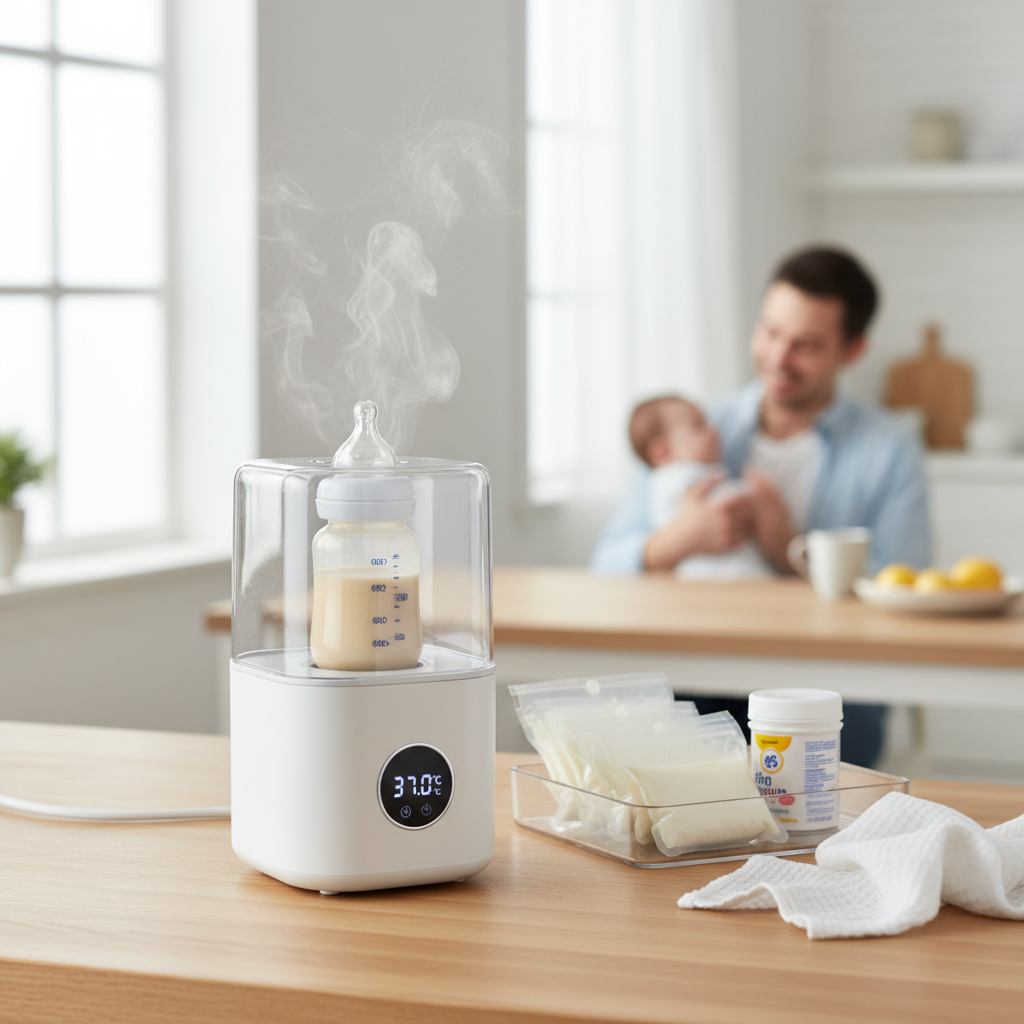
As a parent, ensuring your baby’s milk is at the perfect temperature is a daily ritual, one that impacts both comfort and nutrition. The challenge often lies in achieving that ideal warmth safely and efficiently. While traditional methods like holding a bottle under warm tap water exist, modern parents increasingly turn to electric milk warmers for convenience and precision. But with two primary technologies on the market—steam and water bath—how do you determine which milk warmer is safer and better suited for your family’s needs?
Understanding Why Milk Warmers Matter
Providing your baby with milk warmed to body temperature can significantly enhance their feeding experience. Warm milk is not only more comforting, mimicking natural breast milk, but it can also be easier for babies to digest, potentially reducing fussiness or tummy aches. Beyond comfort, milk warmers address critical safety concerns. Unlike hazardous methods such as microwaving, which can create dangerous “hot spots” that scald a baby’s mouth, dedicated milk warmers ensure gentle, even heating. This controlled warming is crucial for preserving vital nutrients and antibodies, especially in breast milk.
The Steam Milk Warmer: Speed and Considerations
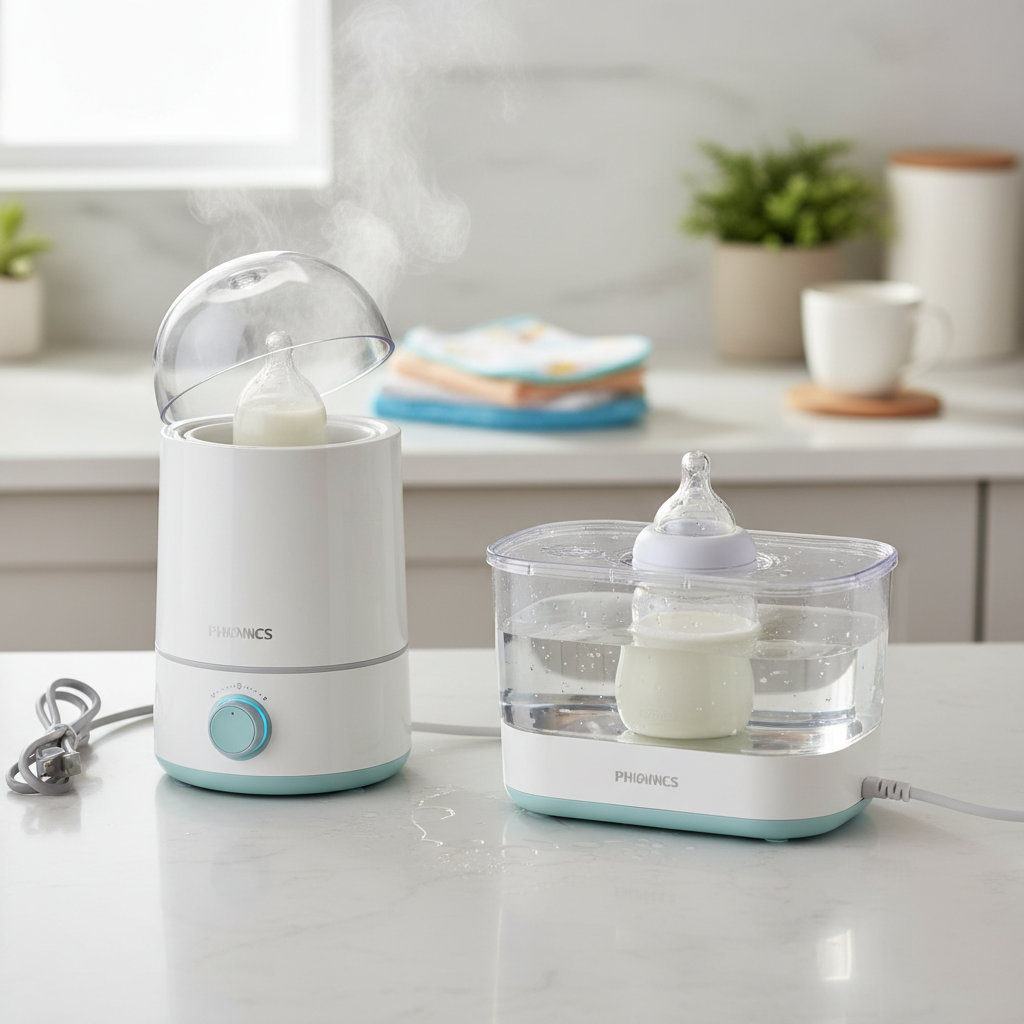
Steam milk warmers operate by generating hot steam that envelops the baby bottle. This method is renowned for its rapid heating capabilities, making it a popular choice for parents needing quick bottle preparation, especially during urgent nighttime feedings. Within a matter of minutes, typically 2-4, steam warmers can bring milk to a suitable temperature. Their speed is undeniably a major advantage when dealing with a hungry, crying baby.
However, this swiftness comes with a need for careful attention. Steam warmers require precise timing to prevent overheating. If left for too long, the intense heat of the steam can potentially degrade delicate nutrients and immunologically active factors in breast milk. Another common observation is that while the milk inside reaches the desired temperature, the bottle’s exterior can become extremely hot, posing a burn risk to caregivers. Always exercise caution when removing bottles from steam warmers and ensure the milk temperature is tested before feeding.
The Water Bath Milk Warmer: Gentle Heating for Nutrient Preservation
In contrast, water bath milk warmers gently heat milk by circulating warm water around the bottle. This method mirrors the traditional warm water bowl technique but with the added benefits of precise temperature control and consistency. Water bath warmers are celebrated for their ability to heat milk evenly, minimizing the risk of hot spots and consistently preserving the integrity of nutrients, which is especially vital for breast milk. Many models are designed to be “hard to overheat” and “less likely to scald,” offering a predictable warming outcome.
The main trade-off with water bath warmers is speed; they generally take longer, typically 4-6 minutes, and some can take up to 8-11 minutes, to reach the optimal feeding temperature. While this slower process ensures gentle heating, it might be a consideration for parents prioritizing speed during emergencies. Furthermore, inadequate stirring in very hot water baths can still lead to “pockets of hot temperature” within the milk, which can damage bioactive proteins and decrease fat content. Therefore, even with a water bath, ensure proper usage and temperature checks.
Direct Comparison: Steam vs. Water Bath Milk Warmers
Choosing between a steam and a water bath milk warmer often boils down to balancing speed, nutrient preservation, and overall safety. Both aim to safely warm your baby’s milk, but they achieve this through distinct mechanisms with their own set of advantages and considerations.
Here’s a comparative look:
| Feature | Steam Milk Warmer | Water Bath Milk Warmer |
|---|---|---|
| Heating Method | Surrounds bottle with hot steam | Circulates warm water around the bottle |
| Speed | Faster (2-4 minutes) | Slower (4-11 minutes) |
| Nutrient Preservation | Risk of degradation if overheated | Generally better due to gentle, even heating |
| Hot Spots | Can create hot exterior; less likely internal hot spots | Less likely to create internal hot spots |
| Bottle Exterior Heat | Can become very hot | Generally less hot |
| Ease of Use | Quick, but requires careful timing | Slower, but often more consistent |
| Versatility | Often compact, some models multi-purpose | Often multi-purpose (defrost, food warming) |
“When considering a milk warmer, parents should prioritize consistent, gentle heating that mimics the body’s natural temperature. Overheating, regardless of the method, is the biggest threat to breast milk’s nutritional value and infant safety.” – Dr. Evelyn Reed, Pediatric Nutritionist.
For families where speed is paramount, a steam warmer might be appealing, provided strict attention is paid to warming times. However, if nutrient preservation and consistently gentle warming are top priorities, especially for breast milk, a water bath warmer often presents a safer and more reliable option. Many modern warmers even combine both technologies, offering different modes for various needs.
Key Safety Guidelines for All Milk Warmers
Regardless of the technology you choose, adherence to essential safety practices is paramount for your baby’s well-being. Scalding injuries from hot liquids or steam can be severe, causing pain, infection, and lasting harm to infants whose skin is far more delicate than an adult’s.
- Optimal Temperature: Always aim to warm milk to body temperature, approximately 98.6°F (37°C), and never exceed 104°F (40°C). Heating beyond this point not only poses a scalding risk but can also destroy crucial nutrients.
- Always Test the Temperature: Before offering the bottle to your baby, always test a few drops of milk on the inside of your wrist. It should feel pleasantly lukewarm, not hot.
- Avoid Dangerous Heating Methods: Never use microwaves, stovetops, or slow cookers to warm baby bottles. These methods can create uneven heating and dangerous hot spots or overheat the liquid rapidly.
- Look for Safety Features: Opt for milk warmers equipped with essential safety features such as thermostats, timers, and automatic shut-off functions to prevent overheating.
- Follow Manufacturer Instructions: Always read and strictly adhere to the specific instructions provided by the warmer’s manufacturer for safe and effective operation.
- Immediate Removal: Remove the bottle from the warmer as soon as the heating cycle is complete and feed your baby promptly.
Choosing the Right Milk Warmer for Your Family
Selecting the ideal milk warmer involves considering your family’s unique lifestyle and needs. If you’re a busy parent frequently on the go, a portable option might be valuable. For families with multiple children or those requiring frequent feedings, a warmer that can handle consecutive bottles efficiently would be beneficial. Compatibility with your preferred bottle type (e.g., standard, wide-neck, glass, plastic) is also a practical consideration.
Beyond the heating method, look for features that enhance both safety and convenience. Automatic shut-off, precise temperature control, and a clear notification when the milk is ready are invaluable. Some advanced models offer defrosting capabilities for frozen breast milk or baby food warming functions, adding to their versatility. While budget is always a factor, investing in a reliable warmer with strong safety features often provides greater peace of mind.
Proper Usage and Maintenance for Longevity and Safety
To ensure your milk warmer remains safe and effective for daily use, proper usage and regular maintenance are essential. Consistent cleaning prevents mineral buildup and bacterial growth, maintaining hygiene for your baby’s milk. Always refer to your product manual for specific cleaning instructions, which often involve descaling the unit with vinegar or specialized solutions to remove mineral deposits.
Additionally, always place the warmer on a stable, flat surface away from the edge of countertops to prevent accidental spills or tipping. Keep electrical cords secured and out of reach of curious little hands. By adhering to these simple practices, you can prolong the life of your milk warmer and ensure it continues to be a safe tool in your feeding routine.
Conclusion
The debate between steam and water bath milk warmers ultimately centers on a parent’s priorities: speed versus the gentlest heat for nutrient preservation. Steam warmers offer unparalleled speed, making them a lifeline during urgent feedings, but demand vigilant timing to prevent overheating and potential nutrient loss. Water bath warmers, while slower, excel in providing a consistently gentle and even warmth that is highly protective of breast milk’s delicate composition. Both methods, when used correctly and equipped with modern safety features like automatic shut-off and precise temperature control, are significantly safer than traditional stovetop or microwave heating.
Ultimately, the “safer” warmer is the one you understand and use correctly, diligently following all safety guidelines, especially testing the milk temperature. By carefully weighing the pros and cons of each method against your family’s specific needs, you can confidently choose a milk warmer that offers both convenience and peace of mind for your baby’s well-being. Which milk warmer method do you think best aligns with your family’s feeding routine and safety priorities?
Frequently Asked Questions
Are steam warmers bad for breast milk?
|
Our Picks for the Best Milk warmer in 2026
As an Amazon Associate I earn from qualifying purchases.
|
||
| Num | Product | Action |
|---|---|---|
| 1 | Baby Brezza New and Improved Formula Pro Advanced Formula Dispenser Machine - Automatically Mix a Warm Formula Bottle Instantly - Easily Make Bottle with Automatic Powder Blending, White |

|
| 2 | Momcozy Portable Bottle Warmer for Travel – Dual Heating Modes for Breast Milk & Water, Portable Milk Warmer with Fast Heating & Long Battery Life, 17 Ounces Large Capacity, Purple |
|
| 3 | SIMPLETASTE Milk Frother, 4-in-1 Electric Milk Steamer, Automatic Warm and Cold Foam Maker and Milk Warmer for Latte, Cappuccinos, Macchiato |
|
| 4 | Momcozy Baby Bottle Warmer for Breast Milk Formula Food, Fullest Nutrients Preserved, Fast Heat, Night Light for Nighttime Breastfeeding, One-Touch Easy Use, Newborn Essentials Supplies Gift for Mom |
|
| 5 | Bottle Warmer, Grownsy 8-in-1 Fast Baby Bottle Warmer with Timer, Safe for Breastmilk Nutrients, Accurate Temperature Control, with Defrost, Sterili-zing, Keep Warm, Heats Baby Food & Bottles |
|
| 6 | SIMPLETASTE Milk Frother, 4-in-1 Electric Milk Frother and Steamer, Automatic Warm and Cold Foam Maker and Milk Warmer for Latte, Cappuccinos, Dark Blue |
|
| 7 | Gevi Milk Frother,5 in 1 Stainless Steel Professional Milk Steamer,Easy to Clean Hot Chocolate Maker,for Hot and Cold Milk Frother for Latte,Macchiato,Cappuccino and Hot Chocolate |
|
| 8 | Momcozy Portable Bottle Warmer for Travel – Dual Heating Modes for Breast Milk & Water, Portable Milk Warmer with Fast Heating & Long Battery Life, 17 Ounces Large Capacity to Meet Your All-Day Needs |
|
| 9 | Milk Frother, 4-in-1 Electric Milk Steamer, 350ml/11.8oz Automatic Frother Machine for Coffee, Warm and Cold Foam, Temperature Control for Latte, Cappuccino, Hot Chocolate |
|
| 10 | Philips Avent Premium Fast Bottle Warmer, with Smart Temperature Control, Water Bath Technology, Automatic Shut-Off, Model SCF358 |
|
Steam warmers can potentially degrade breast milk nutrients if they overheat the milk. While they heat quickly, careful monitoring and adherence to manufacturer guidelines, ensuring milk temperature does not exceed 104°F (40°C), are crucial to preserve breast milk’s delicate composition and immunologically active factors.
How long does a water bath warmer take to heat milk?
Water bath warmers typically take longer than steam warmers, often ranging from 4 to 11 minutes, depending on the initial temperature and volume of the milk, as well as the specific warmer model. This slower process ensures gentler and more even heating, which is beneficial for nutrient preservation.
Can I put a cold bottle directly into a steam warmer?
Yes, you can place a cold bottle directly into a steam warmer. Steam warmers are designed to rapidly heat cold or refrigerated milk. However, it’s essential to follow the manufacturer’s recommended warming times for cold milk to prevent overheating and ensure a safe feeding temperature.
What temperature should baby milk be?
Ideally, baby milk should be warmed to body temperature, which is approximately 98.6°F (37°C), similar to breast milk. It should never exceed 104°F (40°C) to prevent scalding and to protect the milk’s nutritional value. Always test the milk on your wrist before feeding.
Do I really need a milk warmer?
While not strictly essential for all babies, a milk warmer offers significant convenience and safety benefits. It provides consistent, even heating, eliminates dangerous hot spots, and saves time, especially for parents who frequently warm bottles of breast milk or formula. Some babies also prefer warm milk, making feeding more comfortable.
What are “hot spots” in warmed milk?
Hot spots are localized areas of excessively hot milk that can occur when milk is heated unevenly, most notably in microwaves. These hot spots can scald a baby’s delicate mouth and throat, even if the overall temperature of the milk seems acceptable. Milk warmers are designed to prevent such dangerous inconsistencies.