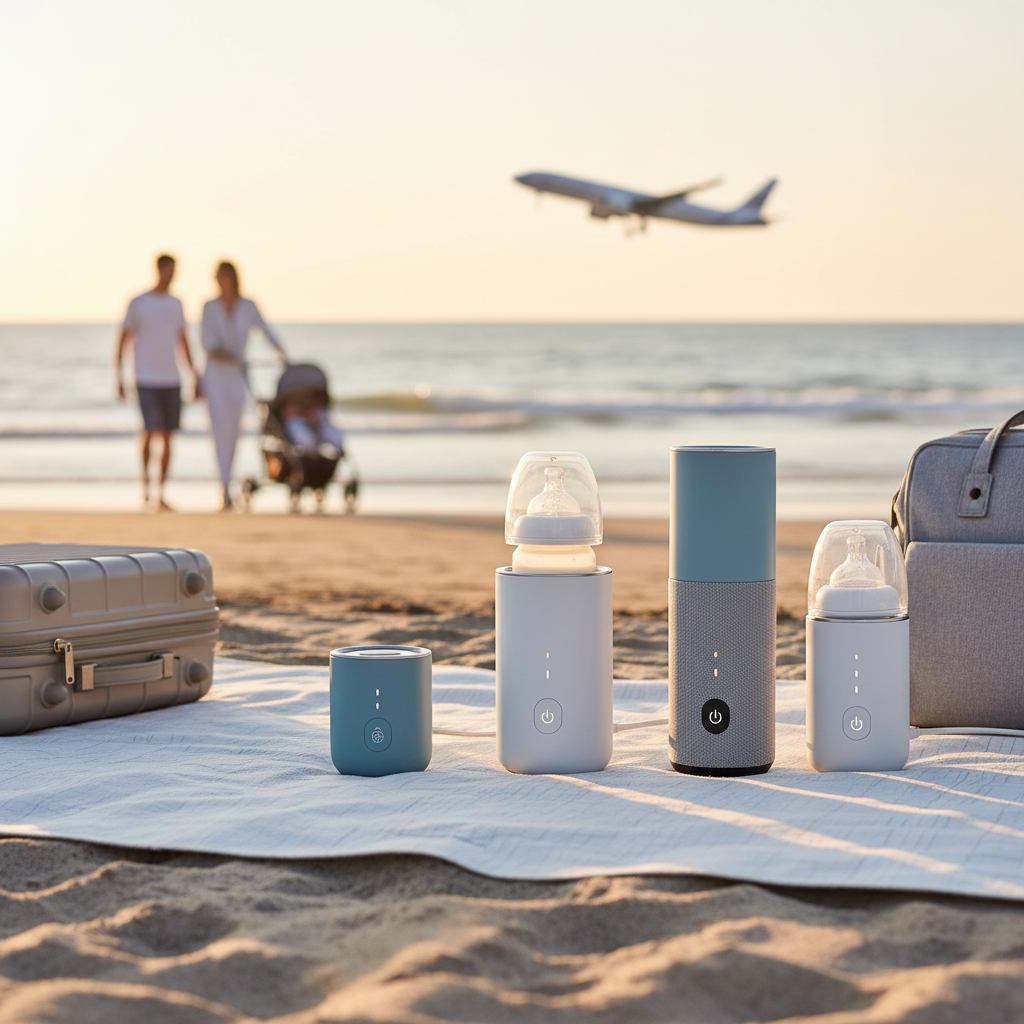
As a parent, ensuring your baby’s comfort and nutrition is paramount. While a dedicated milk warmer offers convenience, there are times you might find yourself without one – perhaps while traveling, at a friend’s house, or during an unexpected power outage. The good news is, you can safely and effectively warm breast milk using simple household methods. This guide will walk you through proven DIY techniques, focusing on safety and preserving the precious nutrients in your breast milk, ensuring your little one always gets their meal just right.
Why Consider Warming Breast Milk (And When It’s Not Necessary)
Many babies show a preference for warmed breast milk, likely because it mimics the temperature of milk directly from the breast. Warming can also help to reintegrate the fat that naturally separates and rises to the top when breast milk is refrigerated or frozen, ensuring your baby receives all the beneficial components. However, it’s important to note that warming breast milk isn’t always essential. According to health experts, it’s perfectly safe to offer your baby breast milk at room temperature or even chilled, especially if they are accustomed to it. Some babies have no preference, making your feeding routine a little simpler. Freshly expressed breast milk can also safely remain at room temperature for up to four to five hours, potentially skipping the need for warming altogether.
Essential Safety Rules Before You Begin
Before you attempt to warm breast milk using any method, it’s crucial to understand and adhere to these fundamental safety guidelines to protect your baby’s health and the milk’s nutritional integrity.
“The most critical rule when warming breast milk is to never use a microwave. Uneven heating creates hot spots that can scald a baby’s mouth, and high temperatures can destroy vital nutrients and antibodies.”
- NEVER Microwave Breast Milk: This is the most important rule. Microwaves heat unevenly, creating “hot spots” that can severely burn your baby’s mouth and throat. Additionally, microwaving can significantly degrade the beneficial antibodies and vital nutrients found in breast milk.
- Avoid Boiling Water: Extremely hot or boiling water can also destroy the delicate proteins and immune-boosting properties in breast milk. Always use warm, never scalding or boiling, water for warming.
- Test Temperature Reliably: Before offering the bottle, always test the milk’s temperature. A common and effective method is to drip a few drops onto the inside of your wrist. It should feel comfortably warm, not hot.
- Swirl, Don’t Shake: Gently swirl the bottle or bag to mix the milk and distribute heat evenly. Vigorously shaking breast milk can damage some of its fragile components.
- Use Sealed Containers: Always warm breast milk in a tightly sealed bottle or storage bag to prevent contamination and ensure even heating.
DIY Methods to Warm Breast Milk at Home
When a dedicated warmer isn’t available, these simple techniques leverage everyday household items to bring breast milk to a safe and comfortable temperature.
The Warm Water Bath (Bowl Method)
|
Our Picks for the Best Milk warmer in 2026
As an Amazon Associate I earn from qualifying purchases.
|
||
| Num | Product | Action |
|---|---|---|
| 1 | Momcozy Portable Bottle Warmer for Travel – Dual Heating Modes for Breast Milk & Water, Portable Milk Warmer with Fast Heating & Long Battery Life, 17 Ounces Large Capacity to Meet Your All-Day Needs |

|
| 2 | SIMPLETASTE Milk Frother, 4-in-1 Electric Milk Steamer, Automatic Warm and Cold Foam Maker and Milk Warmer for Latte, Cappuccinos, Macchiato |
|
| 3 | SIMPLETASTE Milk Frother, 4-in-1 Electric Milk Frother and Steamer, Automatic Warm and Cold Foam Maker and Milk Warmer for Latte, Cappuccinos, Dark Blue |
|
| 4 | Gevi Milk Frother,5 in 1 Stainless Steel Professional Milk Steamer,Easy to Clean Hot Chocolate Maker,for Hot and Cold Milk Frother for Latte,Macchiato,Cappuccino and Hot Chocolate |
|
| 5 | Philips Avent Premium Fast Bottle Warmer, with Smart Temperature Control, Water Bath Technology, Automatic Shut-Off, Model SCF358 |
|
| 6 | Momcozy Portable Bottle Warmer for Travel – Dual Heating Modes for Breast Milk & Water, Portable Milk Warmer with Fast Heating & Long Battery Life, 17 Ounces Large Capacity, Purple |
|
| 7 | Baby Brezza New and Improved Formula Pro Advanced Formula Dispenser Machine - Automatically Mix a Warm Formula Bottle Instantly - Easily Make Bottle with Automatic Powder Blending, White |
|
| 8 | Momcozy Baby Bottle Warmer for Breast Milk Formula Food, Fullest Nutrients Preserved, Fast Heat, Night Light for Nighttime Breastfeeding, One-Touch Easy Use, Newborn Essentials Supplies Gift for Mom |
|
| 9 | Bottle Warmer, Grownsy 8-in-1 Fast Baby Bottle Warmer with Timer, Safe for Breastmilk Nutrients, Accurate Temperature Control, with Defrost, Sterili-zing, Keep Warm, Heats Baby Food & Bottles |
|
| 10 | Milk Frother, 4-in-1 Electric Milk Steamer, 350ml/11.8oz Automatic Frother Machine for Coffee, Warm and Cold Foam, Temperature Control for Latte, Cappuccino, Hot Chocolate |
|
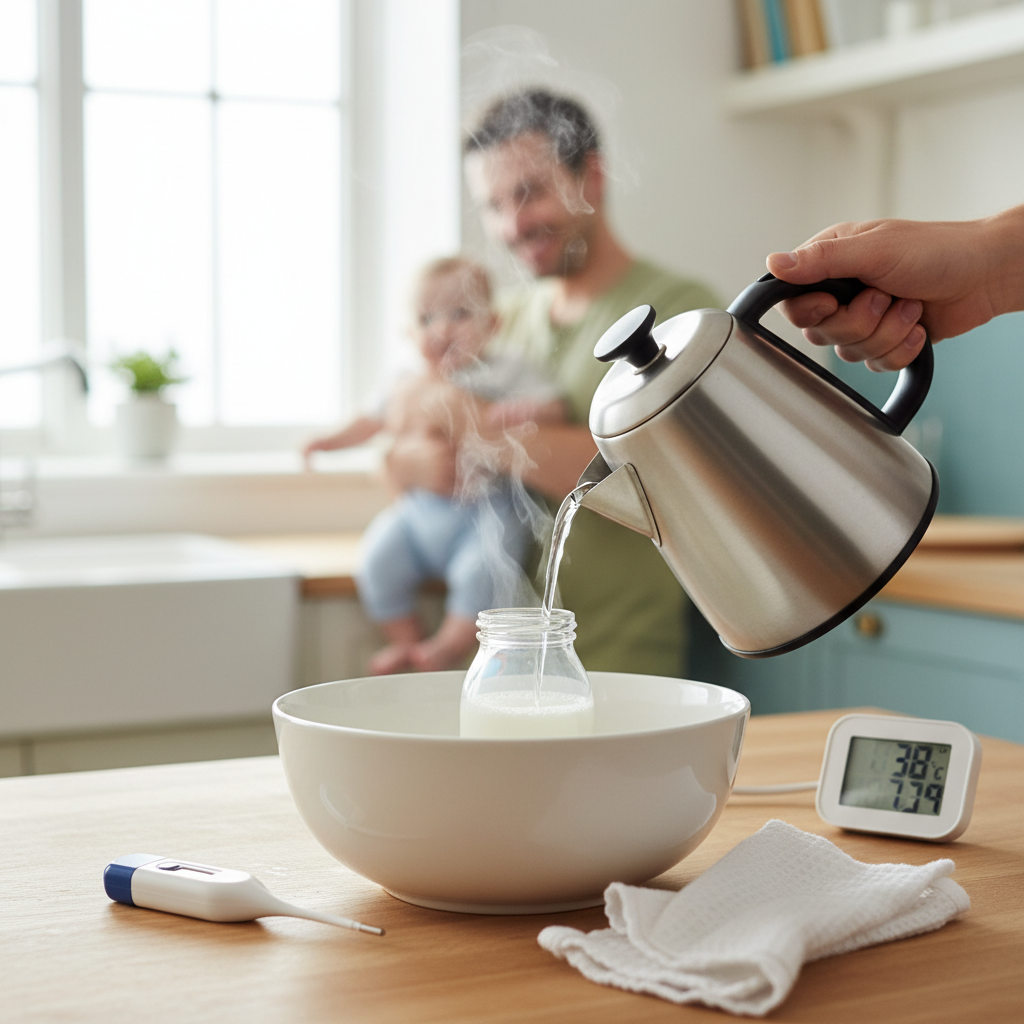
This is by far the most recommended and safest DIY method for warming breast milk. It’s gentle, effective, and easy to control.
Steps for Refrigerated Milk:
- Prepare your water: Heat water using a kettle, on the stove, or directly from a hot faucet until it’s very warm, but not boiling.
- Fill a container: Pour the warm water into a mug or bowl that’s large enough to hold your breast milk container.
- Submerge the milk: Place the sealed bottle or breast milk storage bag into the warm water. Ensure the water level doesn’t reach the lid of the bottle to prevent contamination.
- Wait and swirl: Allow the milk to sit in the warm water for 1 to 2 minutes. For larger volumes or colder milk, it might take slightly longer. Gently swirl the milk occasionally to help distribute the heat.
- Check temperature: Remove the bottle/bag, dry it, and test the milk’s temperature on your wrist before feeding.
Steps for Frozen Milk:
If you need to warm frozen breast milk immediately, you can use the warm water bath method directly, but it will take longer.
- Thaw first (if time allows): Ideally, transfer frozen breast milk to the refrigerator to thaw overnight. Once thawed, follow the steps for warming refrigerated milk.
- Direct warming (if urgent): Place the sealed frozen breast milk bag or bottle directly into a bowl of warm water. You will likely need to replace the water several times as it cools, or use hotter (but still not boiling) water and leave it in for 10-15 minutes or even longer until thawed and warm. Swirl gently to help break up ice crystals and distribute heat.
Under Running Warm Tap Water
This method is also effective, though it can use more water and may take a bit longer than a water bath.
- Hold the container: Hold the sealed bottle or breast milk storage bag under warm, running tap water.
- Rotate for even heating: Rotate the container regularly to ensure the milk warms evenly.
- Check temperature: After a few minutes, test the milk’s temperature on your wrist.
Warming Breast Milk On The Go (No Warmer, No Problem!)
Being away from home doesn’t mean you can’t warm your baby’s milk safely. With a little foresight, you can manage this with ease.
Thermos of Hot Water
This is an excellent portable solution for outings.
- Pre-fill: Before leaving home, fill a thermos with very hot (but not boiling) water.
- Travel with milk: Carry your breast milk in a cooler with ice packs to maintain its cold temperature until needed.
- Warm when ready: When it’s feeding time, pour some hot water from your thermos into a mug or even directly into the wide opening of the thermos itself. Place the sealed breast milk bottle or bag into the hot water for a few minutes until warm.
- Test: Always test the temperature before feeding.
Asking for Hot Water at Establishments
Many public places are accommodating to parents.
- Inquire politely: At a restaurant, coffee shop, or even a convenience store, you can politely ask for a cup of hot water (the kind used for tea).
- Use with caution: Place your sealed bottle into the cup of hot water. Be careful to ensure the cup is stable and doesn’t spill, especially if you’re in a busy environment.
- Quick warm: The heat from the water will quickly transfer to the milk. Swirl and test the temperature.
What Temperature is Just Right? (And How to Check)
The ideal temperature for warmed breast milk is body temperature, typically between 98-102°F (37-39°C). This is the temperature breast milk is naturally when a baby nurses, making it comforting and familiar. Overheating the milk beyond this range can not only create a burn risk for your baby but also diminish the milk’s nutritional value.
How to Check the Temperature:
The most reliable method is the “wrist test.” After warming, drip a small amount of milk onto the sensitive skin on the inside of your wrist. It should feel comfortably warm, not hot, cold, or lukewarm. If it feels too hot, let it cool down before offering it to your baby. Avoid dipping your finger into the milk directly, as this can introduce germs.
Common Mistakes to Avoid When Warming Breast Milk
Even with the best intentions, certain practices can compromise the safety and quality of breast milk. Be mindful of these common pitfalls:
- Microwaving (reiterated for emphasis): As stated, this is the most dangerous method due to uneven heating and nutrient destruction.
- Using Boiling Water: High temperatures can break down beneficial components. Always aim for warm, not scalding, water.
- Shaking Vigorously: Gentle swirling is sufficient to mix separated fat and distribute heat. Aggressive shaking can damage milk proteins.
- Overheating: Milk that is too hot is dangerous for your baby and less nutritious. Always prioritize the wrist test.
- Leaving Milk Out Too Long: Once breast milk has been warmed, it should be used within two hours. Do not re-warm milk that has already been warmed and offered to a baby, as this can encourage bacterial growth.
Conclusion
Warming breast milk without a dedicated warmer is entirely feasible and safe when you follow the right techniques and precautions. The simple warm water bath method, whether in a bowl or from a thermos, remains the gold standard for gently bringing milk to a baby-friendly temperature while preserving its vital nutrients. Remember to always prioritize safety by never microwaving, avoiding boiling water, and meticulously checking the temperature before feeding. With these DIY methods in your parenting toolkit, you can confidently provide your baby with warm, nourishing breast milk anytime, anywhere, ensuring their comfort and well-being. What other convenient methods have you discovered for keeping your baby’s meals perfectly warm?
Frequently Asked Questions
Is it really necessary to warm breast milk for my baby?
No, it is not strictly necessary to warm breast milk. Many babies are perfectly content drinking breast milk at room temperature or even chilled straight from the refrigerator. However, some babies prefer warm milk as it mimics the temperature of milk directly from the breast, which can be more comforting for them.
Why shouldn’t I microwave breast milk?
You should never microwave breast milk because microwaves heat liquids unevenly, creating “hot spots” that can severely burn your baby’s mouth and throat. Additionally, the high temperatures reached in a microwave can destroy essential nutrients, antibodies, and enzymes that make breast milk so beneficial for your baby.
How long does it take to warm breast milk using a warm water bath?
For refrigerated breast milk, it typically takes 1 to 2 minutes in a warm water bath. If you are warming frozen breast milk directly from the freezer, it will take considerably longer, often 10-15 minutes or more, and you may need to refresh the warm water multiple times.
What is the ideal temperature for warmed breast milk?
The ideal temperature for warmed breast milk is body temperature, approximately 98-102°F (37-39°C). This range is considered safe and comfortable for your baby and helps preserve the milk’s nutritional integrity. Always test the temperature on your wrist before feeding.
Can I re-warm breast milk that has already been warmed but not finished?
No, it is not recommended to re-warm breast milk that has already been warmed and partially consumed. Once warmed, breast milk should be used within two hours. Re-warming can promote bacterial growth and is a safety concern for your baby.