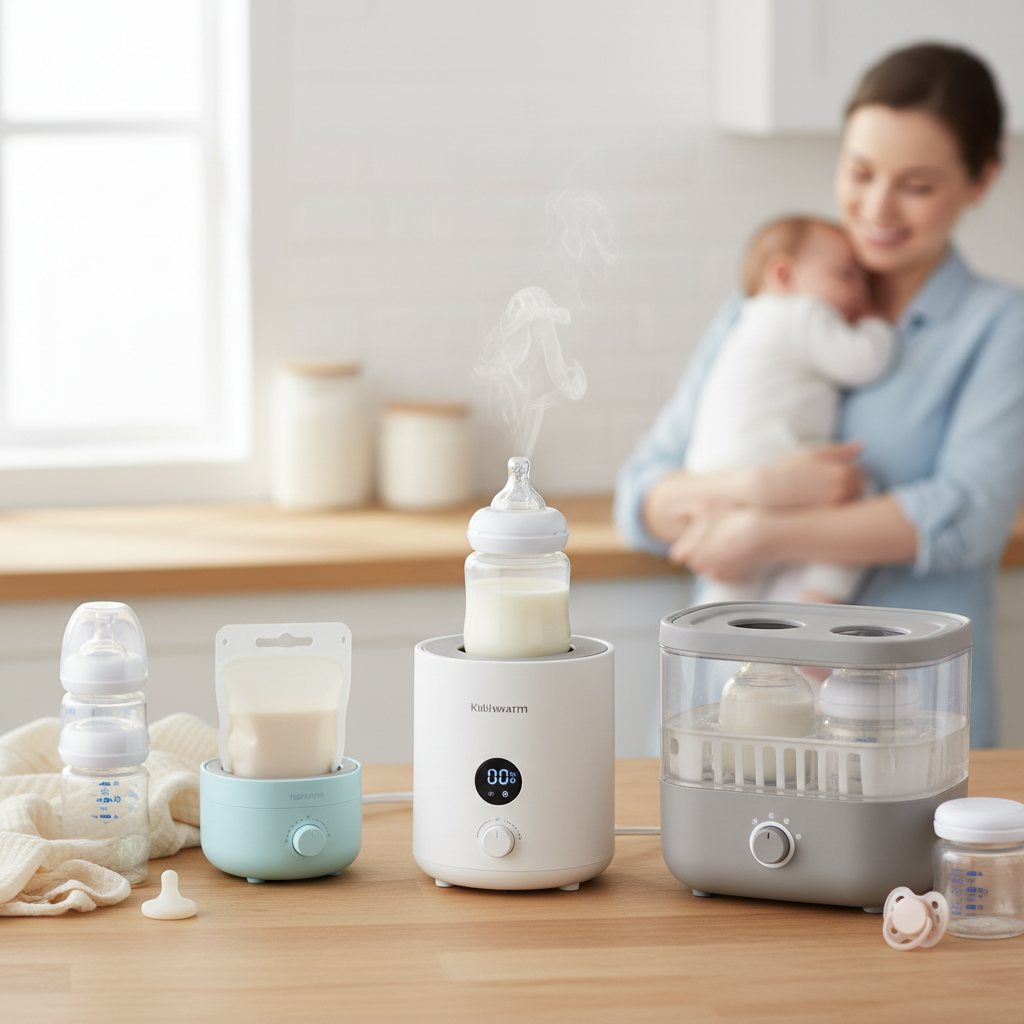
The cry of a hungry baby is a universal call to action for parents, often accompanied by the urgent need for a perfectly warmed bottle. In these moments, every second counts, leading many to ponder the most efficient and safest method for heating their little one’s milk. Two primary contenders emerge: the rapid action of steam warmers and the gentle consistency of hot water bath warmers. Understanding the nuances between these methods, particularly their speed, safety, and impact on nutrition, is crucial for making an informed choice that best suits your family’s needs.
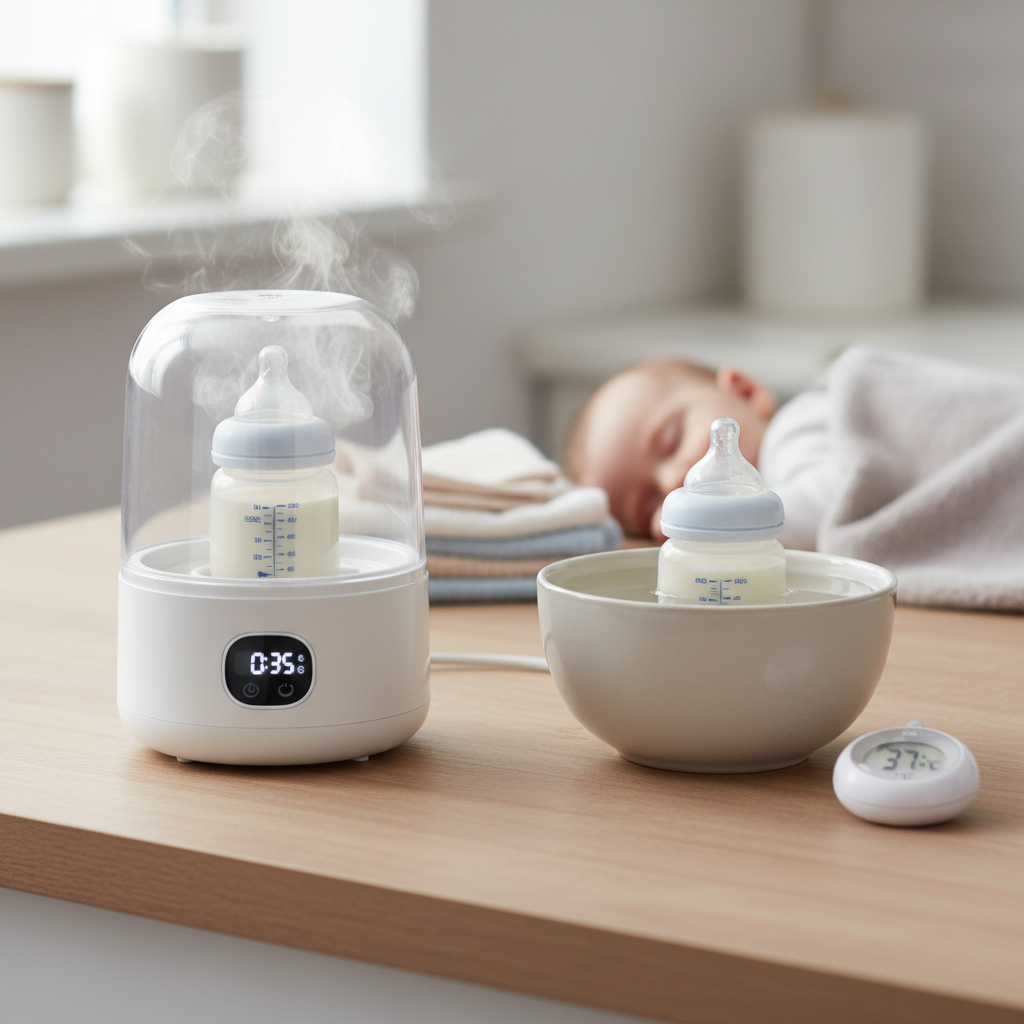
Why Proper Milk Warming Matters: More Than Just Temperature
Warming your baby’s milk isn’t just about comfort; it’s a critical practice for safety and preserving vital nutrients. Breast milk, a living substance, contains delicate enzymes, probiotics, immune factors, and hormones that can degrade if exposed to excessive heat. Overheating milk, especially breast milk, beyond 104°F (40°C) can significantly diminish its nutritional and immunological value. Ensuring a consistent, safe temperature also prevents dangerous hot spots that can scald your baby’s mouth, a common risk associated with methods like microwaving. The Centers for Disease Control and Prevention (CDC) explicitly advises against thawing or heating breast milk or formula in a microwave due to uneven heating.
The Two Main Contenders: Steam Warmers and Water Bath Warmers
When it comes to dedicated bottle warmers, parents typically choose between two core technologies: steam heating and water bath warming. Each offers distinct advantages and disadvantages that influence speed, safety, and overall convenience.
Steam Warmers
Steam warmers operate by using a small amount of water to generate hot steam that envelops the bottle. This method is often touted for its speed. The intense heat transfer from steam can warm milk quickly, making it an attractive option for parents needing a bottle ready in a hurry.
- Pros: Generally very fast, often heating milk in just a few minutes.
- Cons: The rapid and intense heat carries a higher risk of overheating the milk, potentially degrading nutrients or creating scalding temperatures. They are typically not recommended for glass bottles due to the potential for breakage from rapid temperature changes. Many models require precise water measurement for each use, which can be less convenient during late-night feeds.
|
Our Picks for the Best Milk warmer in 2026
As an Amazon Associate I earn from qualifying purchases.
|
||
| Num | Product | Action |
|---|---|---|
| 1 | Gevi Milk Frother,5 in 1 Stainless Steel Professional Milk Steamer,Easy to Clean Hot Chocolate Maker,for Hot and Cold Milk Frother for Latte,Macchiato,Cappuccino and Hot Chocolate |

|
| 2 | Momcozy Portable Bottle Warmer for Travel – Dual Heating Modes for Breast Milk & Water, Portable Milk Warmer with Fast Heating & Long Battery Life, 17 Ounces Large Capacity to Meet Your All-Day Needs |
|
| 3 | Bottle Warmer, Grownsy 8-in-1 Fast Baby Bottle Warmer with Timer, Safe for Breastmilk Nutrients, Accurate Temperature Control, with Defrost, Sterili-zing, Keep Warm, Heats Baby Food & Bottles |
|
| 4 | Baby Brezza New and Improved Formula Pro Advanced Formula Dispenser Machine - Automatically Mix a Warm Formula Bottle Instantly - Easily Make Bottle with Automatic Powder Blending, White |
|
| 5 | Momcozy Baby Bottle Warmer for Breast Milk Formula Food, Fullest Nutrients Preserved, Fast Heat, Night Light for Nighttime Breastfeeding, One-Touch Easy Use, Newborn Essentials Supplies Gift for Mom |
|
| 6 | Momcozy Portable Bottle Warmer for Travel – Dual Heating Modes for Breast Milk & Water, Portable Milk Warmer with Fast Heating & Long Battery Life, 17 Ounces Large Capacity, Purple |
|
| 7 | SIMPLETASTE Milk Frother, 4-in-1 Electric Milk Steamer, Automatic Warm and Cold Foam Maker and Milk Warmer for Latte, Cappuccinos, Macchiato |
|
| 8 | SIMPLETASTE Milk Frother, 4-in-1 Electric Milk Frother and Steamer, Automatic Warm and Cold Foam Maker and Milk Warmer for Latte, Cappuccinos, Dark Blue |
|
| 9 | Philips Avent Premium Fast Bottle Warmer, with Smart Temperature Control, Water Bath Technology, Automatic Shut-Off, Model SCF358 |
|
| 10 | Milk Frother, 4-in-1 Electric Milk Steamer, 350ml/11.8oz Automatic Frother Machine for Coffee, Warm and Cold Foam, Temperature Control for Latte, Cappuccino, Hot Chocolate |
|
Water Bath Warmers
Water bath warmers gently heat a bottle by immersing it in a reservoir of warm water. This method mimics the traditional “jug of hot water” approach but with greater control and consistency.
- Pros: Provide a more gradual and even heating process, which is ideal for preserving breast milk’s delicate nutrients. They are generally considered safer due to a lower risk of creating hot spots or scalding the milk. Water bath warmers are compatible with a wider range of bottle materials, including glass.
- Cons: Typically slower than steam warmers, requiring more patience, especially when warming milk from refrigerated or frozen states.
Speed Showdown: How Fast Are They Really?
The “speed” of warming can be a subjective measure, depending on the starting temperature, the volume of milk, and the specific warmer model. While manufacturers often highlight impressive “as little as” times, independent lab tests can offer a more realistic average.
- Traditional Hot Water Bath (Jug/Bowl): This method, while universally accessible, can be inconsistent and takes approximately 5 minutes or more to warm a bottle from room temperature to a suitable drinking temperature. The lack of precise temperature control makes it prone to uneven heating.
- Dedicated Bottle Warmers (General): Modern bottle warmers generally outperform manual hot water baths in both speed and consistency.
- Some manufacturers, like Chicco, claim their Digital Bottle Warmer & Sterilizer can warm in “as little as 2.5 minutes”. However, lab tests for this model indicated an average of about 8 minutes to reach 80°F (26.7°C) and 11 minutes to reach 98°F (36.7°C). This suggests that real-world performance can vary from advertised “best-case” scenarios.
- The Philips AVENT Fast is consistently noted as one of the quicker options, often reaching body temperature around 6 minutes.
- The Baby Brezza Safe and Smart, combining both water bath and steam technology, was tested to reach 80°F in approximately 5.5 minutes and body temperature (98°F) in about 9.5 minutes.
- Simpler water bath models, like The First Years Gentle Warmth Digital, can take longer, ranging from 8 to 11 minutes to reach at least 80°F.
- For on-the-go convenience, portable warmers like the Momcozy Portable Warmer, which uses a ceramic heating element, warmed to 80°F in 6 minutes and 98°F in 10 minutes during tests.
Ultimately, while steam warmers often initiate the warming process faster, the overall time to reach a safe and optimal feeding temperature (around 98.6°F or 37°C) might not be drastically different from efficient water bath models, especially when considering the importance of gentle, even heating for nutrient preservation.
Beyond Speed: Safety, Consistency, and Nutrient Integrity
While speed is a significant factor, it should not overshadow the crucial considerations of safety and nutrient preservation.
Safety First
Bottle warmers are designed to eliminate the risks associated with microwaves, which create uneven hot pockets that can burn a baby’s mouth and degrade breast milk. Many modern warmers include safety features like automatic shut-off to prevent overheating and digital displays for precise temperature control. Water bath warmers, with their slower and gentler heating, inherently offer a greater margin of safety against scalding compared to the intense heat of steam.
Nutrient Preservation
For breast milk, gentle and gradual heating is paramount. Temperatures exceeding 104°F (40°C) can cause beneficial enzymes and immune factors to degrade, with more significant loss occurring at higher temperatures or prolonged exposure. This is where water bath warmers often shine, as they are less likely to expose milk to extreme temperatures, thus helping to maintain its valuable nutritional profile.
User Experience & Convenience
Modern bottle warmers offer various features to enhance convenience:
- Intuitive Interfaces: Easy-to-read displays and simple controls simplify operation, especially during sleep-deprived moments.
- Pre-set Programs: Dedicated settings for different milk types (breast milk, formula) and starting temperatures (frozen, refrigerated, room temperature) take the guesswork out of warming.
- Water Reservoirs: Some models feature integrated water reservoirs, eliminating the need to refill water with each use, a common requirement for many steam warmers.
- Notifications and Timers: Audible beeps or indicator lights alert parents when the bottle is ready, preventing over-warming or forgotten bottles.
Choosing Your Champion: Factors to Consider
Deciding between a steam warmer and a water bath warmer, or a hybrid model, comes down to your priorities:
- Prioritize Speed vs. Safety/Nutrient Preservation: If a few extra minutes are acceptable for enhanced safety and nutrient protection, a water bath warmer is often the better choice. If absolute speed is your top concern, a steam warmer might appeal, but be vigilant about temperature control.
- Frequency of Use: For parents who bottle-feed frequently, investing in a warmer with consistent performance, easy-to-use features, and a lower risk of overheating can significantly streamline the feeding routine.
- Type of Milk/Food: For breast milk, a water bath warmer’s gentle heating is generally recommended to preserve its delicate components.
- Portability Needs: If you need to warm bottles on the go, consider compact, battery-powered portable warmers, which often use ceramic heating elements.
- Budget & Features: Evaluate whether basic warming functionality suffices or if advanced features like sterilizing, smart app connectivity, or precise temperature controls are worth a higher investment.
Tips for Safe and Efficient Bottle Warming
Regardless of the warmer you choose, adhering to best practices ensures your baby’s safety and well-being:
- Always Test Temperature: Before offering the bottle, swirl the milk gently (do not shake breast milk vigorously) and drip a few drops onto your inner wrist. It should feel lukewarm, not hot.
- Follow Manufacturer Instructions: Every warmer is different. Consult your model’s manual for specific guidelines on water levels, warming times, and cleaning.
- Descale Regularly: Mineral deposits can build up in warmers, especially in hard water areas. Regular descaling (typically with vinegar solution) is essential for maintaining efficiency and longevity.
- Thaw Frozen Milk Safely: Thaw frozen breast milk overnight in the refrigerator or by holding it under cool running water, then gradually increasing the temperature. Avoid thawing in boiling water or the microwave.
“The primary goal of warming baby’s milk should always be safety and nutrient preservation, not just speed. A few extra minutes for a perfectly warmed, nutrient-rich bottle is a small price to pay for your baby’s health.” – Dr. Sarah Miller, Pediatric Nutrition Specialist
Conclusion
Choosing between steam and hot water bottle warmers involves weighing the benefits of rapid warming against the assurances of gentle, consistent heat. While steam warmers can deliver speed, water bath warmers often provide superior consistency and a lower risk of nutrient degradation, making them a preferred choice for many, especially when handling precious breast milk. Modern innovations offer a spectrum of choices, from basic water baths to sophisticated hybrid models with precise controls. By understanding these differences and prioritizing safety and nutrition, parents can confidently select the ideal milk warmer to create a smoother, safer, and more nourishing feeding experience for their little ones.
What features do you value most in a bottle warmer, and how has it changed your daily routine?
Frequently Asked Questions
Is a steam warmer faster than a traditional hot water bath?
Generally, yes, steam warmers can heat bottles more quickly due to the intense heat transfer from steam. However, traditional hot water methods can still take around 5 minutes, and some efficient water bath warmers are nearly as fast while offering more consistent temperatures.
Can I use a bottle warmer for breast milk?
Absolutely. Bottle warmers are ideal for warming breast milk as they provide gentle, even heating, which helps preserve the delicate nutrients that can be damaged by high or uneven temperatures. Always follow the manufacturer’s instructions for breast milk.
Why shouldn’t I microwave baby milk?
Microwaving baby milk is strongly advised against by health organizations like the CDC because it creates uneven hot spots within the milk, which can burn a baby’s mouth. It also risks degrading essential nutrients in breast milk.
What is the ideal temperature for baby milk?
The ideal temperature for baby milk is body temperature, around 98.6°F (37°C), or slightly below. This mimics the natural temperature of breast milk and is comfortable and safe for babies to consume.
How often should I descaled my bottle warmer?
The frequency of descaling depends on your water hardness and how often you use the warmer. As a general rule, descaling every 2-4 weeks with a vinegar solution helps remove mineral deposits and ensures your warmer operates efficiently and hygienically.