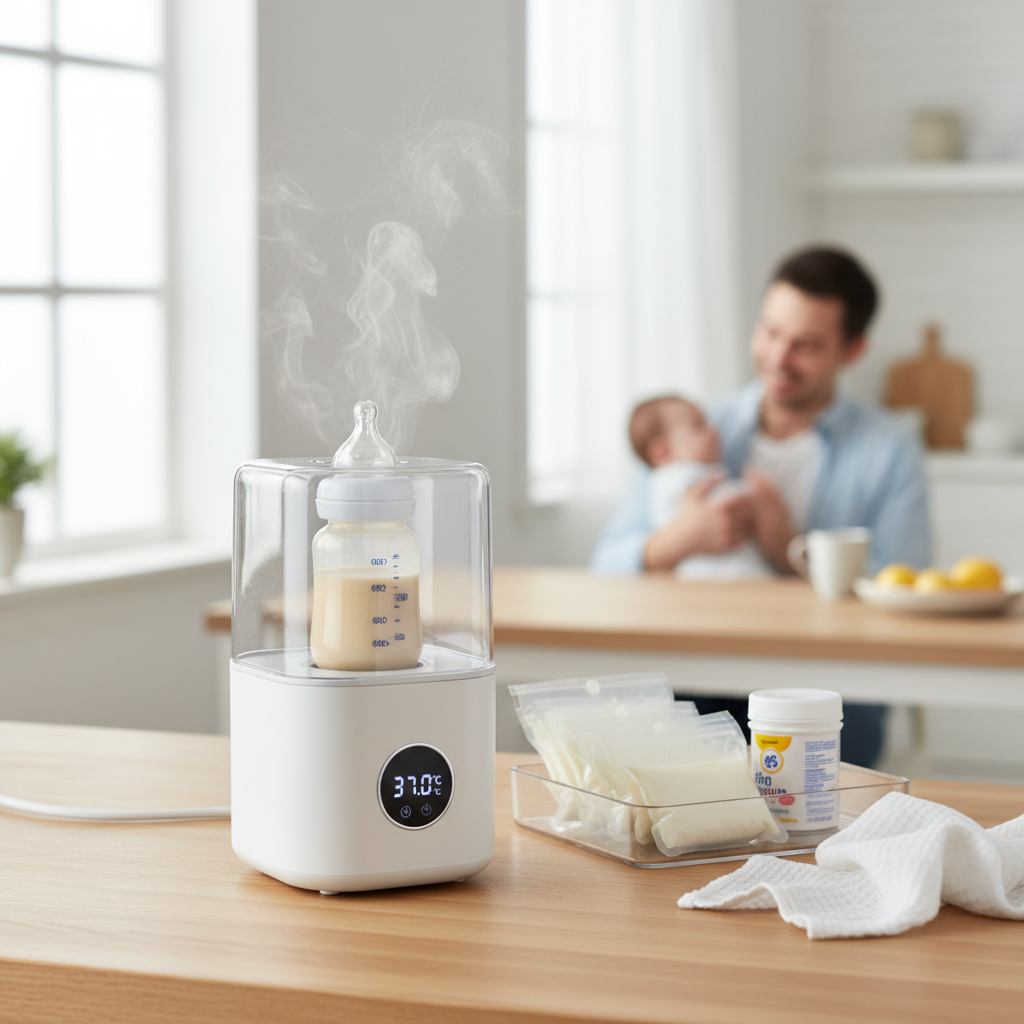
Feeding a baby can be one of the most heartwarming experiences, yet it often comes with challenges like fussiness, gas, and colic. While many factors contribute to infant discomfort, ensuring your baby’s milk is perfectly warmed can make a significant difference. A well-chosen milk warmer doesn’t just simplify feeding; it plays a subtle yet crucial role in promoting better digestion and reducing the likelihood of colic and gas by maintaining ideal temperatures and preserving vital nutrients. This guide, drawing on over a decade of experience, aims to help you navigate the options and select the best milk warmer for your little one.
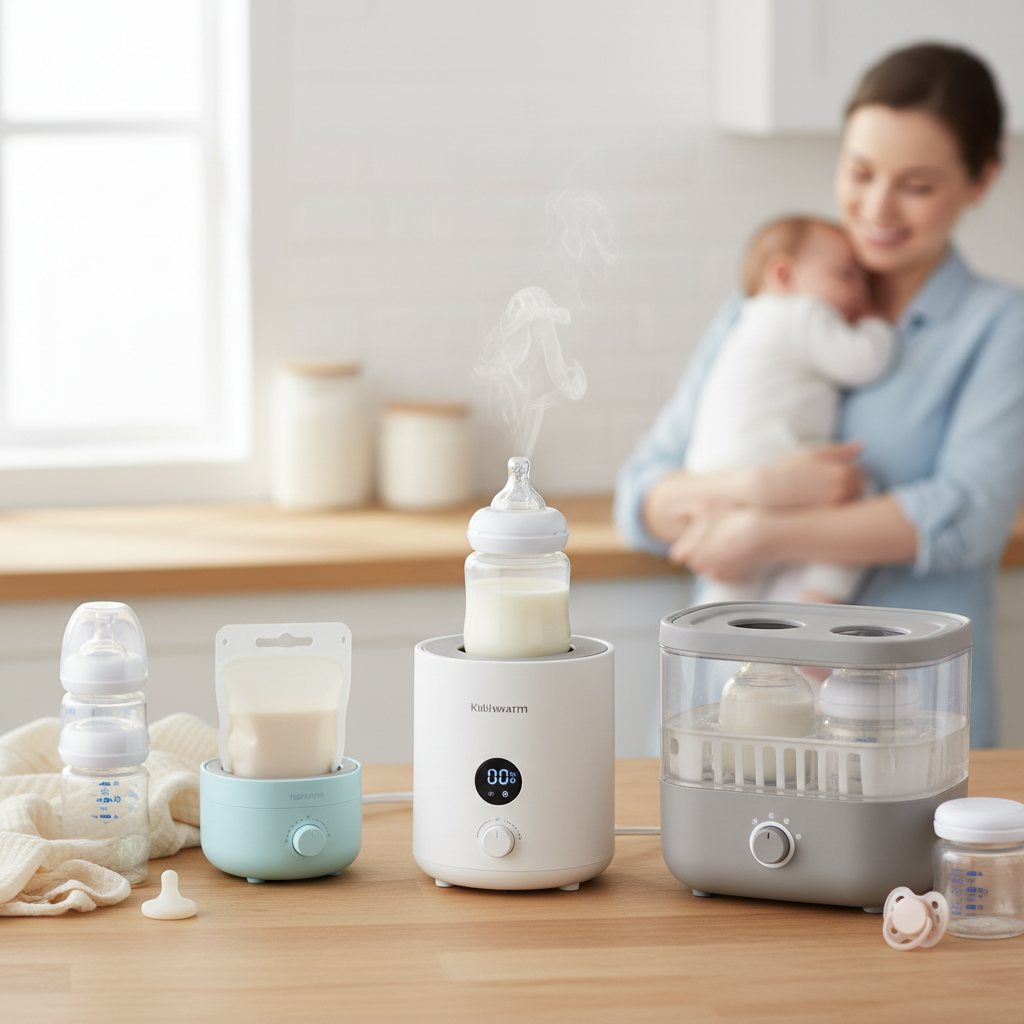
The Role of Milk Warmers in Promoting Infant Comfort
You might wonder how a milk warmer directly impacts colic and gas. The answer lies in precision and consistency. Traditional methods, such as microwaves or stovetop heating, often lead to uneven warming and “hot spots” that can not only burn a baby’s mouth but also degrade essential nutrients in breast milk and formula. Properly warmed milk, free from temperature fluctuations, supports easier digestion and can significantly reduce the intake of air, a common culprit behind gas and colic.
Benefits of Using a Milk Warmer for Colic Gas Prevention
- Consistent, Safe Temperature: Milk warmers are designed to heat milk evenly to body temperature (around 98.6°F or 37°C), eliminating dangerous hot spots. This consistent warmth is gentle on a baby’s delicate digestive system, preventing sudden temperature changes that can cause discomfort.
- Preserves Nutritional Value: For breast milk, maintaining a temperature between 98 to 105 degrees Fahrenheit is crucial; exceeding this range can diminish its invaluable nutrients and antibodies. Gentle warming methods, like water baths, are particularly effective in protecting these delicate components, which are vital for a baby’s immune system and gut health.
- Reduces Air Bubbles: Overheating milk or rapid shaking to check temperature can introduce excessive air bubbles, which babies then ingest, leading to gas and fussiness. A reliable warmer gently brings milk to temperature, reducing the need for aggressive mixing.
- Convenience and Reduced Parental Stress: In the middle of a sleepless night with a crying baby, a quick and efficient warming solution is invaluable. The ease of use of a dedicated milk warmer ensures that parents can prepare a bottle swiftly and safely, contributing to a calmer feeding experience for both baby and caregiver. Less parental stress can also positively impact feeding dynamics.
|
Our Picks for the Best Milk warmer in 2026
As an Amazon Associate I earn from qualifying purchases.
|
||
| Num | Product | Action |
|---|---|---|
| 1 | SIMPLETASTE Milk Frother, 4-in-1 Electric Milk Frother and Steamer, Automatic Warm and Cold Foam Maker and Milk Warmer for Latte, Cappuccinos, Dark Blue |

|
| 2 | Momcozy Baby Bottle Warmer for Breast Milk Formula Food, Fullest Nutrients Preserved, Fast Heat, Night Light for Nighttime Breastfeeding, One-Touch Easy Use, Newborn Essentials Supplies Gift for Mom |
|
| 3 | Momcozy Portable Bottle Warmer for Travel – Dual Heating Modes for Breast Milk & Water, Portable Milk Warmer with Fast Heating & Long Battery Life, 17 Ounces Large Capacity to Meet Your All-Day Needs |
|
| 4 | Baby Brezza New and Improved Formula Pro Advanced Formula Dispenser Machine - Automatically Mix a Warm Formula Bottle Instantly - Easily Make Bottle with Automatic Powder Blending, White |
|
| 5 | Bottle Warmer, Grownsy 8-in-1 Fast Baby Bottle Warmer with Timer, Safe for Breastmilk Nutrients, Accurate Temperature Control, with Defrost, Sterili-zing, Keep Warm, Heats Baby Food & Bottles |
|
| 6 | Gevi Milk Frother,5 in 1 Stainless Steel Professional Milk Steamer,Easy to Clean Hot Chocolate Maker,for Hot and Cold Milk Frother for Latte,Macchiato,Cappuccino and Hot Chocolate |
|
| 7 | SIMPLETASTE Milk Frother, 4-in-1 Electric Milk Steamer, Automatic Warm and Cold Foam Maker and Milk Warmer for Latte, Cappuccinos, Macchiato |
|
| 8 | Milk Frother, 4-in-1 Electric Milk Steamer, 350ml/11.8oz Automatic Frother Machine for Coffee, Warm and Cold Foam, Temperature Control for Latte, Cappuccino, Hot Chocolate |
|
| 9 | Momcozy Portable Bottle Warmer for Travel – Dual Heating Modes for Breast Milk & Water, Portable Milk Warmer with Fast Heating & Long Battery Life, 17 Ounces Large Capacity, Purple |
|
| 10 | Philips Avent Premium Fast Bottle Warmer, with Smart Temperature Control, Water Bath Technology, Automatic Shut-Off, Model SCF358 |
|
Understanding Different Types of Milk Warmers
The market offers a variety of milk warmers, each with distinct features. Understanding these can help you choose the best fit for your family’s needs.
Single Bottle Warmers
These are typically compact units designed to heat one bottle at a time.
- Pros: Often more affordable, space-saving, and straightforward to operate. Ideal for single-baby households.
- Cons: Can be slow if multiple bottles are needed in quick succession.
- Best for: Parents who need a simple, reliable solution for one baby, especially when space is a concern.
Dual Bottle Warmers
Featuring two warming chambers, these allow for heating two bottles simultaneously.
- Pros: Excellent for twins or for preparing sequential feedings quickly. Can save significant time during busy periods.
- Cons: Larger footprint, potentially higher cost.
- Best for: Families with multiples or those who require high-volume warming.
Multi-functional Warmers (Warm, Sterilize, Defrost)
These versatile devices offer additional features beyond just warming milk.
- Pros: Provides comprehensive care, including sterilizing bottles, pacifiers, and even defrosting breast milk or baby food. Consolidates multiple appliances into one.
- Cons: Can be more expensive and might have a larger design. The added features can sometimes make the control panel more complex.
- Best for: Parents looking for an all-in-one solution to streamline their baby care routine and maximize counter space.
Choosing the Right Milk Warmer to Combat Colic
Selecting the ideal milk warmer involves considering several factors to ensure it supports your goal of minimizing colic and gas.
Warming Method
- Water Bath Warmers: These submerge the bottle in a warm water bath, providing gentle and even heating. This method is highly recommended for breast milk as it helps preserve delicate nutrients more effectively than direct steam heating. Look for models that gently circulate water to prevent hot spots.
- Steam Warmers: Steam warmers heat milk faster by surrounding the bottle with hot steam. While quick, some experts advise caution with breast milk, as high temperatures can degrade nutrients. If choosing a steam warmer, ensure it has precise temperature controls and an auto shut-off to prevent overheating.
- Waterless/Hot Air Warmers: Innovative waterless options use hot air to warm bottles, gently rocking them to ensure even heat distribution. These can be convenient as they require no water refills or descaling.
Temperature Control and Consistency
Precision is paramount. A good milk warmer should offer accurate temperature settings to avoid overheating or underheating. Consistent warming prevents “hot spots” and ensures milk is palatable and digestible for your baby. Look for digital displays and customizable settings for different milk types (breast milk vs. formula) and starting temperatures (room temp, refrigerated, frozen).
Speed and Efficiency
For a crying, hungry baby, every second counts. Fast warm-up times are a major advantage. Consider models that can quickly bring milk to body temperature, but balance speed with gentle warming, especially for breast milk. Some warmers can dispense warm water on demand, which is excellent for formula preparation.
Bottle Compatibility
Ensure the warmer can accommodate your preferred bottle type, especially if you use anti-colic bottles (e.g., Dr. Brown’s, Philips Avent Anti-colic). Many anti-colic bottles have unique shapes or wider necks, so check compatibility to avoid spills or the need for adapters.
Ease of Cleaning
A warmer that is easy to clean prevents bacteria buildup, which is crucial for your baby’s health. Look for models with easily accessible components and materials that resist mineral deposits. Melanie Potock, a pediatric feeding specialist, emphasizes, “The easier to clean, the more likely it will get cleaned often, reducing the risk of spreading germs to [your] baby”. Regular descaling, especially in hard water areas, is also important.
Safety Features
Automatic shut-off features are essential to prevent overheating and ensure safety. Some advanced models also include anti-scald baskets or audible alerts. Always test the milk temperature on your wrist before feeding.
Portability (Optional)
If you frequently travel or are often out and about, a portable, battery-powered warmer can be a lifesaver. These offer the convenience of warming milk without access to an electrical outlet.
Top Milk Warmers for Preventing Colic Gas
Based on extensive testing and user reviews, here are some of the best milk warmers that prioritize safe, consistent heating crucial for babies prone to colic and gas.
1. Philips AVENT Baby Bottle Warmer
This simple yet effective water bath warmer is a consistent top performer.
- Pros: Straightforward operation with a single dial, heats gently and evenly, includes defrost and food warming settings, and keeps bottles warm for up to 60 minutes. Its wide opening accommodates various bottle sizes, including many anti-colic designs. Pediatrician Dr. Tomomi Hayash recommends simple warmers, and this fits the bill perfectly.
- Cons: Heating time can vary based on initial temperature and bottle material, and some users report occasional overheating if not monitored. Lacks an automatic shut-off in some older models.
- Price: $$
- Ideal for: Parents seeking a reliable, easy-to-use water bath warmer for daily use that is gentle on milk and compatible with many anti-colic bottles.
2. Dr. Brown’s MilkSPA Breast Milk and Bottle Warmer
Specifically designed for preserving breast milk, this warmer offers precise control.
- Pros: Features 12 pre-programmed settings to accurately heat breast milk to temperatures between 98-105°F, preserving vital nutrients. It also thaws frozen breast milk bags and offers audio and visual alerts with an automatic shut-off. Its compact and quiet design is a plus.
- Cons: Requires extra steps to fill the water basin, and finding the perfect setting can involve some trial and error, potentially wasting precious milk.
- Price: $$
- Ideal for: Breastfeeding parents who prioritize precise temperature control to protect the nutritional integrity of breast milk, thereby supporting a baby’s digestion and reducing colic.
3. Baby Brezza Safe + Smart Bottle Warmer
A universal warmer known for its smart features and versatility.
- Pros: Offers “steady warm” for breast milk and “quick warm” for formula, ensuring appropriate heating for different milk types. It has a universal fit for most bottles and can thaw breast milk in storage bags. Features Bluetooth control via an app for convenience.
- Cons: It’s one of the more expensive options, and the “quick warm” setting requires prompt removal to prevent overheating. Some users find the app an unnecessary feature.
- Price: $$$
- Ideal for: Parents who use both breast milk and formula and value a versatile warmer with smart features and settings tailored for nutrient preservation.
4. Baby’s Brew Portable Bottle Warmer Pro
For parents on the go, this battery-powered warmer offers temperature accuracy.
- Pros: Lightweight, cordless, and battery-powered with an 8-12 hour battery life. Heats milk quickly (3-7 minutes) and accurately to one of four temperature options (80, 98, 103, 110°F), with the 98°F setting being particularly precise. It’s TSA compliant and fits many popular bottle brands with optional adapters.
- Cons: Not compatible with all pre-made formulas and requires adapters for certain bottle types. A higher price point.
- Price: $$$
- Ideal for: Traveling parents or those who need a reliable, precise, and cordless warming solution for breast milk or formula away from home. Its consistent temperature control is excellent for minimizing digestive issues.
5. Grownsy 9-in-1 Bottle Warmer
A budget-friendly yet feature-rich option for comprehensive baby care.
- Pros: Offers defrost, warm, and sterilize functions, making it a versatile 3-in-1 device. It fits most bottles and milk storage bags, remembers previous settings, and keeps milk warm for up to two hours after warming. The anti-scald basket enhances safety.
- Cons: Settings are not saved if the cord disconnects, and it’s not ideal for glass bottles. Some users found the small LED display hard to discern in daylight.
- Price: $$
- Ideal for: Parents looking for a multi-functional warmer that offers good value, including sterilizing capabilities, and helps ensure consistently warmed milk to reduce gas and colic.
How to Use and Maintain Your Milk Warmer for Optimal Results
To maximize your milk warmer’s benefits for colic prevention and ensure longevity, proper usage and maintenance are key.
Safe and Effective Usage
- Read the Manual: Always refer to your specific warmer’s instructions as operation varies by model.
- Fill Water Correctly: For water bath or steam warmers, fill the reservoir with the recommended amount of water based on bottle size and milk volume. Using distilled water can help prevent mineral buildup.
- Select Proper Settings: Choose the appropriate setting for breast milk or formula, and its starting temperature (room temperature, refrigerated, or frozen). Utilizing a “steady warm” or water bath setting for breast milk is crucial for nutrient preservation.
- Test Temperature: Crucially, always test a few drops of milk on the back of your wrist before giving it to your baby to ensure it’s not too hot. The milk should feel comfortably warm, not hot.
- Timely Removal: If your warmer lacks an auto-shutoff, remove the bottle promptly once the warming cycle is complete to prevent overheating.
- Use Warmed Milk Quickly: For breast milk, use it within two hours of warming. For formula, use it within one hour of starting the feed, and do not reheat or reuse leftover formula.
Cleaning and Maintenance
- Daily Wipe Down: After each use, empty any remaining water from the reservoir and wipe down all visible components to prevent rust and hard water buildup.
- Regular Deep Clean: Periodically, perform a deeper clean to prevent bacteria, mold, and mineral deposits. Fill the reservoir with hot soapy water, let it sit, then scrub gently with a soft cloth or sponge.
- Descaling: To remove limescale or mineral buildup, use a descaling solution or a DIY mixture of one part white vinegar to two parts water. Run a warming cycle with the solution, let it sit until dissolved, then rinse thoroughly. Regular descaling ensures efficient operation and extends the warmer’s lifespan.
Conclusion
Choosing the best milk warmer for preventing colic gas is an investment in your baby’s comfort and your peace of mind. While no single device can eliminate colic entirely, a high-quality milk warmer ensures milk is consistently and safely warmed, preserving vital nutrients and preventing digestive upset. By prioritizing features like precise temperature control, appropriate warming methods for breast milk and formula, and ease of cleaning, you can provide your baby with perfectly prepared feeds that contribute to a happier, less gassy tummy. Remember to always test the milk’s temperature and maintain your warmer for optimal hygiene and performance.
What features do you find most essential in a milk warmer for a colicky baby?
Frequently Asked Questions
Does a bottle warmer help with gas and colic?
While a bottle warmer doesn’t directly prevent colic, it plays a supportive role by ensuring milk is heated evenly to the ideal temperature, which is crucial for digestion. Unevenly heated milk or milk that’s too hot can destroy nutrients and cause digestive upset, potentially contributing to gas and discomfort. By providing consistently warm milk, a warmer helps complement anti-colic feeding strategies.
What is the ideal temperature for baby milk?
The ideal temperature for baby milk, whether breast milk or formula, is around body temperature, typically 98.6 degrees Fahrenheit (37 degrees Celsius). This mimics the temperature of breast milk directly from the source and is most palatable and comfortable for infants. It also helps preserve sensitive nutrients, especially in breast milk.
Are steam warmers safe for breast milk?
Steam warmers heat milk quickly, but some experts recommend caution with breast milk as high temperatures can potentially degrade its delicate nutrients and antibodies. If using a steam warmer for breast milk, look for models with precise temperature controls and an auto-shutoff feature to prevent overheating. Water bath warmers are often preferred for breast milk due to their gentler heating method.
How do I prevent hot spots in warmed milk?
To prevent hot spots, avoid microwaving baby milk, as it heats unevenly and can destroy nutrients. Instead, use a dedicated milk warmer that heats consistently. After warming, gently swirl the bottle (do not shake vigorously to avoid introducing air bubbles) and always test the milk temperature on your wrist before feeding.
Can I use a bottle warmer with anti-colic bottles?
Yes, most bottle warmers are designed to be compatible with a wide range of bottle types, including many anti-colic bottles. However, some anti-colic bottles may have unique shapes or wider necks, so it’s always advisable to check the warmer’s specifications for compatibility before purchase. Brands often list compatible bottle types.
How long can warmed milk stay in a bottle warmer?
For breast milk, it is generally recommended to use it within two hours of warming. For prepared infant formula, the Centers for Disease Control and Prevention (CDC) advises using it within two hours of preparation and within one hour from when you begin feeding your baby, discouraging the reuse of leftover formula. It’s best to warm milk just before feeding.