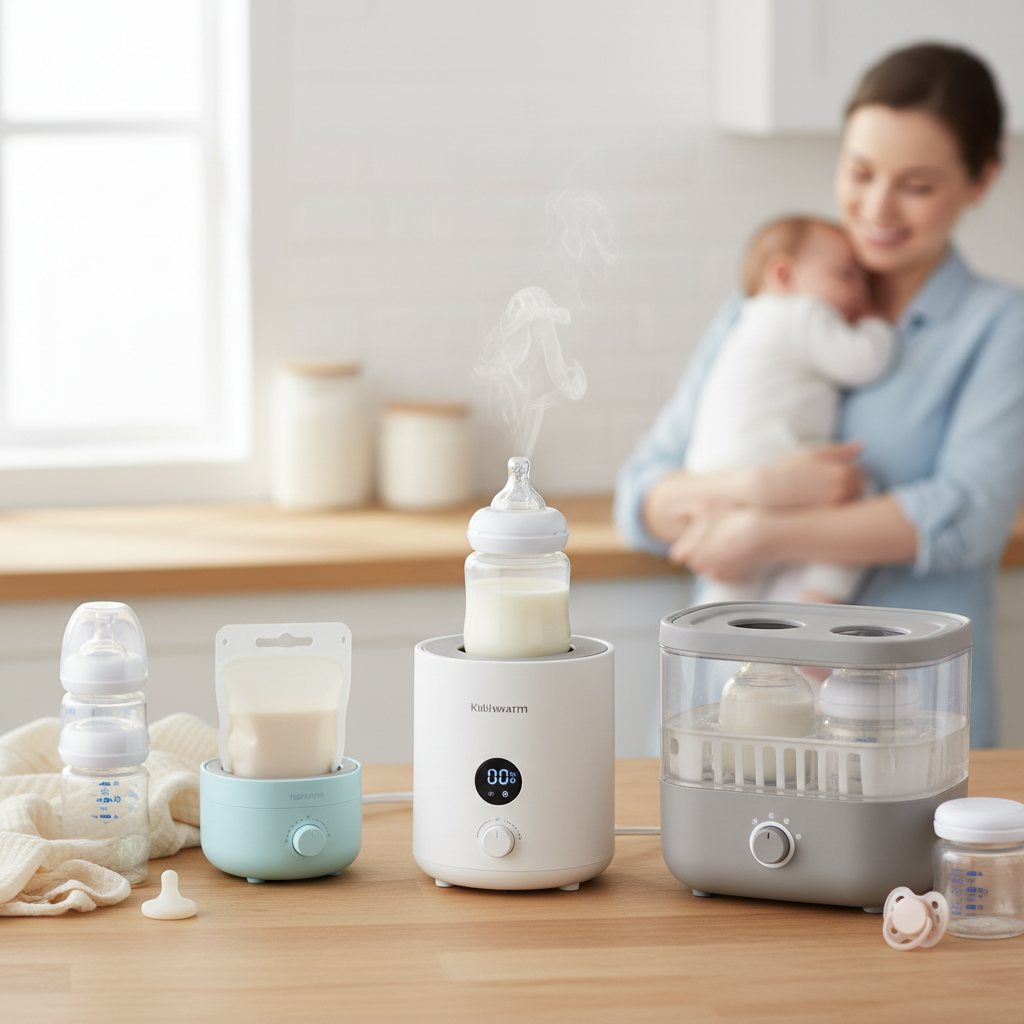
Bringing a new baby product into your home should fill you with excitement, not a strange, lingering chemical smell. Many parents, as they unbox their brand-new milk warmer, are met with an unexpected plastic odor that can trigger immediate concern. You’re not alone in wondering if this smell is normal, safe for your baby, or if there’s anything you can do about it. With over a decade of hands-on experience in the field of milk warmer technology, I’ve seen this issue arise with various models and understand the science behind it. This comprehensive guide will demystify the “new plastic smell” in your milk warmer, explore its causes, discuss safety considerations, and provide actionable steps to ensure your baby’s bottles are warmed safely and without any unwelcome odors.
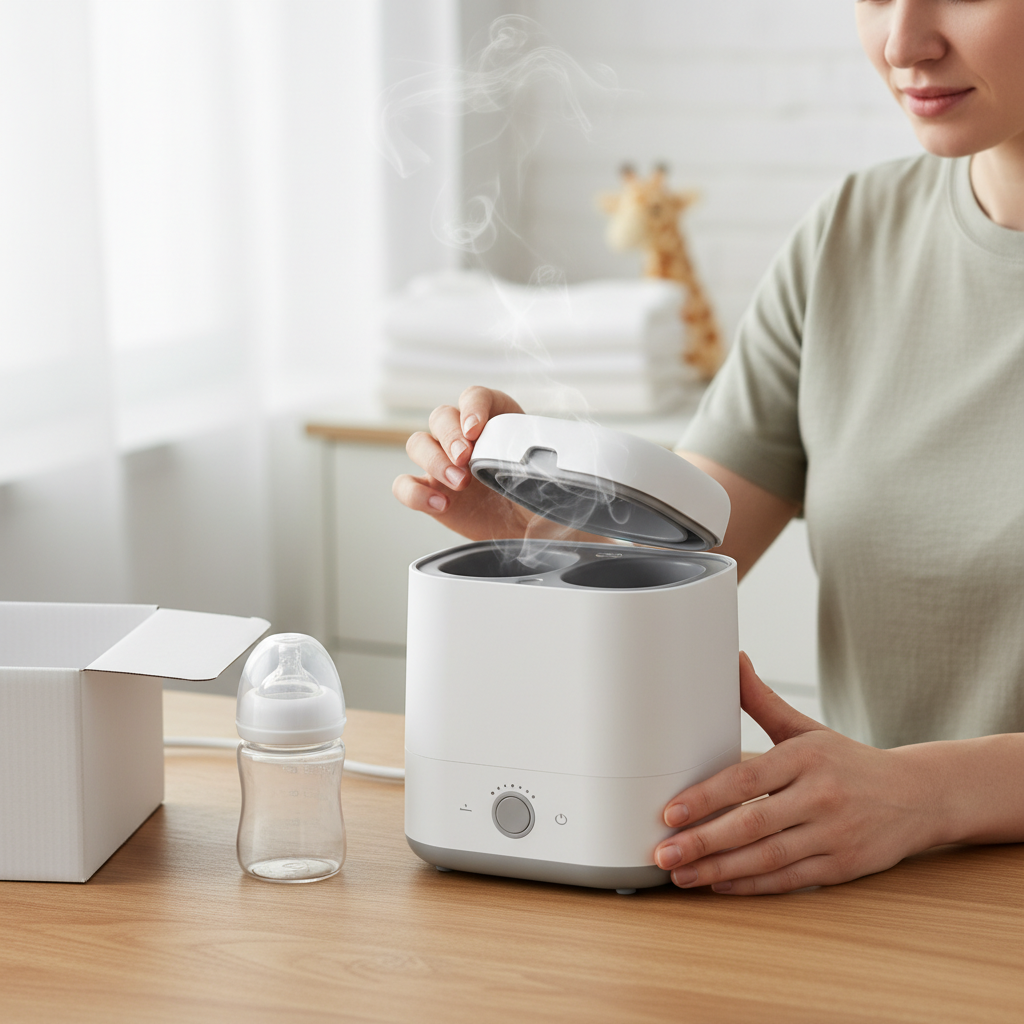
The “New Appliance Smell” Phenomenon: Why Your Milk Warmer Has a Plastic Odor
That distinct scent emanating from a brand-new milk warmer is often referred to as the “new appliance smell.” This phenomenon is primarily due to the off-gassing of volatile organic compounds (VOCs) from the plastic materials used in the appliance’s construction. Think of it as the product “breathing” out residual chemicals from its manufacturing process.
During production, plastics are formulated using various compounds, and appliances like milk warmers often receive protective coatings, lubricants, and mold release agents. When these new materials are exposed to heat for the first time—as your milk warmer does during its initial operation—these compounds can vaporize and release airborne particles, creating the characteristic plastic scent. While this is a common occurrence across many new household appliances, it can be particularly concerning for baby products, where safety is paramount.
Is the Plastic Smell from Your New Milk Warmer Harmful?
For most new appliances, including milk warmers, a mild, dissipating plastic or chemical smell is generally not a cause for alarm. Manufacturers of baby products typically use food-grade, BPA-free plastics that are considered safe for infant contact. The initial off-gassing, while unpleasant, usually consists of trace VOCs that are not considered harmful for short-term exposure in healthy individuals. The U.S. Environmental Protection Agency (EPA) notes that many new appliances release these trace VOCs during their initial operation, and this “burn-in” period is typically not harmful to healthy adults.
However, vigilance is key. It’s crucial to distinguish between a harmless manufacturing odor and a potentially concerning situation.
When to Be Concerned:
- Persistent or Intensifying Odor: If the smell doesn’t fade after a few uses or continues to be strong after 7-10 days, or if it intensifies over time, it could signal an ongoing issue.
- Burning Plastic Smell: A sharp, acrid odor that distinctly smells like burning plastic (rather than just “new plastic”) is a serious warning sign. This could indicate an electrical problem or a component overheating. Inhaling fumes from genuinely burning plastic can be dangerous, potentially irritating lungs and containing toxins.
- Physical Symptoms: If anyone in the household, especially your baby, experiences symptoms like respiratory irritation, headaches, or nausea when the warmer is in use, discontinue use immediately.
- Vulnerable Individuals: Infants, young children, pregnant individuals, and pets (especially birds) can be more sensitive to airborne chemicals. Always ensure good ventilation when using new appliances.
It’s also worth noting the ongoing research into microplastics. High temperatures can cause plastics to break down, potentially releasing microplastics. While current milk warmers are designed to be safe, using them correctly and minimizing prolonged exposure to very high heat settings (unless explicitly required and designed for) is always prudent.
Why Do New Milk Warmers Smell Like Plastic? Key Factors
Understanding the specific factors contributing to the plastic smell can help parents feel more informed:
- Manufacturing Residues: During the molding and assembly of plastic parts, various agents are used. These can include mold release compounds, lubricants, and specialized coatings. While most are inert, residual traces can vaporize when heated.
- Packaging Materials: The appliance may absorb odors from its packaging during shipping and storage. These smells are often transferred rather than generated by the warmer itself.
- Initial Heat Exposure: Plastics, even high-quality ones, undergo subtle changes when heated for the first time. This initial “thermal cycling” can release trapped gases or unreacted monomers from the plastic’s structure.
- Type of Plastic Used: Different types of plastic formulations have varying degrees of off-gassing. While all reputable milk warmer brands use food-safe plastics, some may inherently emit more odor initially than others.
- Lack of Pre-Treatment: Some manufacturers include a “burn-in” or “degassing” phase for their products before packaging, while others rely on the user to perform this initial cycle.
Effective Methods to Eliminate the Plastic Odor from Your Milk Warmer
Addressing the plastic smell from your new milk warmer involves a combination of cleaning, airing, and initial conditioning. Here’s a step-by-step guide to help you achieve a fresh, odor-free experience:
-
Thorough Inspection and Packaging Removal:
- Before plugging in or using your warmer, carefully inspect it. Remove all internal and external packaging materials, including any small plastic ties or protective films that might be present. These can melt and produce burning odors if left inside.
-
Initial Cleaning with Mild Detergent:
- Wipe down all accessible interior and exterior surfaces of the warmer with a damp cloth and a few drops of mild dishwashing liquid.
- Rinse thoroughly with clean water, ensuring no soap residue remains, as this can also create unpleasant odors when heated. Avoid submerging the electrical unit in water.
- Dry completely with a clean cloth.
-
Ventilation and Airing Out:
- Place the disassembled warmer components (if removable) in a well-ventilated area for several hours, or even a full day or two, before its first use. An open window or balcony is ideal. This allows passive off-gassing to occur without heat.
-
The “Burn-In” or “First Use” Cycle:
- Fill the warmer with clean water (without a bottle) up to its maximum fill line.
- Run the warmer through a full heating cycle, as if you were warming a bottle.
- Perform this “burn-in” cycle in a well-ventilated room, ideally with windows open and an exhaust fan running, to dissipate any released odors.
- Discard the water and allow the unit to cool completely. You may repeat this process 2-3 times if the smell persists.
-
Natural Deodorizing Solutions (for lingering odors):
- White Vinegar Soak: For components that can be safely detached and immersed (check your manual), soak them in a solution of one part white vinegar to three parts warm water for a few hours or overnight. Vinegar is excellent for neutralizing odors and dissolving mineral deposits. Rinse thoroughly afterward. You can also run an empty water-only cycle with a vinegar-water solution in the warmer’s main reservoir, followed by several clear water cycles.
- Baking Soda Paste: Create a paste with baking soda and a small amount of water. Apply it to the interior plastic surfaces (avoiding electrical components) and let it sit for a few hours before rinsing clean. Baking soda is a natural odor absorber.
- Lemon and Sunlight: Cut a lemon into slices and place them inside the warmer (again, avoiding electrical parts) for a few hours. The natural acidity and fresh scent can help. Some users find that exposing plastic items to direct sunlight for a short period can also help dissipate odors, but be mindful not to leave the electrical warmer unattended or exposed to extreme heat.
“A common mistake parents make is skipping the initial cleaning and airing out. These simple steps, combined with a ‘burn-in’ cycle using just water, are incredibly effective in preventing most new plastic odors and ensuring peace of mind for safe feeding.” – Admin, Reviewxoo.com (10+ Years Milk Warmer Expertise)
Choosing a Milk Warmer to Minimize Odor Concerns
While most new warmers will have some initial odor, you can take steps to select models that are less likely to pose significant smell issues:
- Prioritize High-Quality, Food-Safe Materials: Look for warmers made from high-grade, BPA-free plastics. Reputable brands often highlight their material certifications.
- Read User Reviews: Pay attention to customer feedback specifically mentioning plastic smells. If numerous reviews report a strong or persistent odor, it might be wise to consider another model.
- Opt for Reputable Brands: Established brands in baby care often have stricter quality control and manufacturing processes, which can minimize off-gassing issues.
- Check for Certifications: Look for safety certifications, which indicate the product has met certain quality and safety standards.
- Consider Glass or Stainless Steel Components: While the main body is often plastic, some premium warmers may offer glass or stainless steel components where the water or bottle makes contact, potentially reducing plastic odor exposure.
Maintaining Your Milk Warmer for Lasting Freshness
Once you’ve addressed the initial plastic smell, ongoing maintenance is crucial to prevent future odors and ensure hygienic operation:
- Regular Cleaning: Clean your milk warmer regularly according to the manufacturer’s instructions. This prevents milk residue or mineral deposits from building up, which can cause unpleasant smells and affect performance.
- Descaling: Mineral deposits from water (limescale) can accumulate over time. Use a vinegar-water solution for descaling at least once a month, as recommended by many manufacturers. This not only keeps the warmer clean but also extends its lifespan.
- Proper Storage: Store your milk warmer in a clean, dry, and well-ventilated area when not in use. Ensure it is completely dry before storage to prevent mold or mildew.
- Avoid Harsh Chemicals: Do not use abrasive cleaners, solvents, or harsh chemicals on your milk warmer, as these can damage the plastic and exacerbate odor issues.
Conclusion
The presence of a plastic smell in a new milk warmer is a common experience, usually stemming from the harmless off-gassing of manufacturing residues and new plastic materials. By understanding the causes, recognizing when an odor might be more concerning, and implementing simple cleaning and airing techniques, you can effectively eliminate most unpleasant smells. Prioritizing high-quality, reputable brands and maintaining your warmer diligently will further ensure a safe, clean, and odor-free environment for preparing your baby’s bottles. With these steps, you can confidently use your milk warmer, focusing on the joy of nurturing your little one.
What has been your experience with new appliance smells in your home? Share your tips below!
Frequently Asked Questions
Is the plastic smell from a new milk warmer toxic to my baby?
|
Our Picks for the Best Milk warmer in 2026
As an Amazon Associate I earn from qualifying purchases.
|
||
| Num | Product | Action |
|---|---|---|
| 1 | Philips Avent Premium Fast Bottle Warmer, with Smart Temperature Control, Water Bath Technology, Automatic Shut-Off, Model SCF358 |

|
| 2 | Momcozy Baby Bottle Warmer for Breast Milk Formula Food, Fullest Nutrients Preserved, Fast Heat, Night Light for Nighttime Breastfeeding, One-Touch Easy Use, Newborn Essentials Supplies Gift for Mom |
|
| 3 | Milk Frother, 4-in-1 Electric Milk Steamer, 350ml/11.8oz Automatic Frother Machine for Coffee, Warm and Cold Foam, Temperature Control for Latte, Cappuccino, Hot Chocolate |
|
| 4 | Bottle Warmer, Grownsy 8-in-1 Fast Baby Bottle Warmer with Timer, Safe for Breastmilk Nutrients, Accurate Temperature Control, with Defrost, Sterili-zing, Keep Warm, Heats Baby Food & Bottles |
|
| 5 | Baby Brezza New and Improved Formula Pro Advanced Formula Dispenser Machine - Automatically Mix a Warm Formula Bottle Instantly - Easily Make Bottle with Automatic Powder Blending, White |
|
| 6 | Momcozy Portable Bottle Warmer for Travel – Dual Heating Modes for Breast Milk & Water, Portable Milk Warmer with Fast Heating & Long Battery Life, 17 Ounces Large Capacity, Purple |
|
| 7 | SIMPLETASTE Milk Frother, 4-in-1 Electric Milk Steamer, Automatic Warm and Cold Foam Maker and Milk Warmer for Latte, Cappuccinos, Macchiato |
|
| 8 | Momcozy Portable Bottle Warmer for Travel – Dual Heating Modes for Breast Milk & Water, Portable Milk Warmer with Fast Heating & Long Battery Life, 17 Ounces Large Capacity to Meet Your All-Day Needs |
|
| 9 | SIMPLETASTE Milk Frother, 4-in-1 Electric Milk Frother and Steamer, Automatic Warm and Cold Foam Maker and Milk Warmer for Latte, Cappuccinos, Dark Blue |
|
| 10 | Gevi Milk Frother,5 in 1 Stainless Steel Professional Milk Steamer,Easy to Clean Hot Chocolate Maker,for Hot and Cold Milk Frother for Latte,Macchiato,Cappuccino and Hot Chocolate |
|
In most cases, the initial plastic smell from a new milk warmer is due to harmless off-gassing of trace volatile organic compounds (VOCs) and is not considered toxic for short-term exposure. Manufacturers typically use food-grade, BPA-free plastics. However, if the smell is very strong, persistent, or smells like burning plastic, it’s advisable to stop use and ventilate the area.
How long does the new plastic smell usually last in a milk warmer?
The new plastic smell typically dissipates within a few days to a week (7-10 days) after the initial cleaning, airing out, and performing a “burn-in” cycle with water. Running the warmer empty with water a few times in a well-ventilated room can significantly speed up this process.
Can I use my milk warmer if it still has a faint plastic smell?
If the smell is faint and has been steadily decreasing after following the initial cleaning and burn-in steps, it is generally considered safe to use. However, always prioritize good ventilation during operation and monitor your baby for any unusual reactions. If you are concerned, continue airing out the unit or repeat the cleaning steps.
Are all milk warmers affected by this new plastic smell?
Many new appliances, including milk warmers, will exhibit some degree of “new plastic smell” due to manufacturing processes and material off-gassing. While some brands or models might have a more noticeable initial odor than others, it’s a relatively common phenomenon. High-quality materials and rigorous manufacturing can help minimize it.