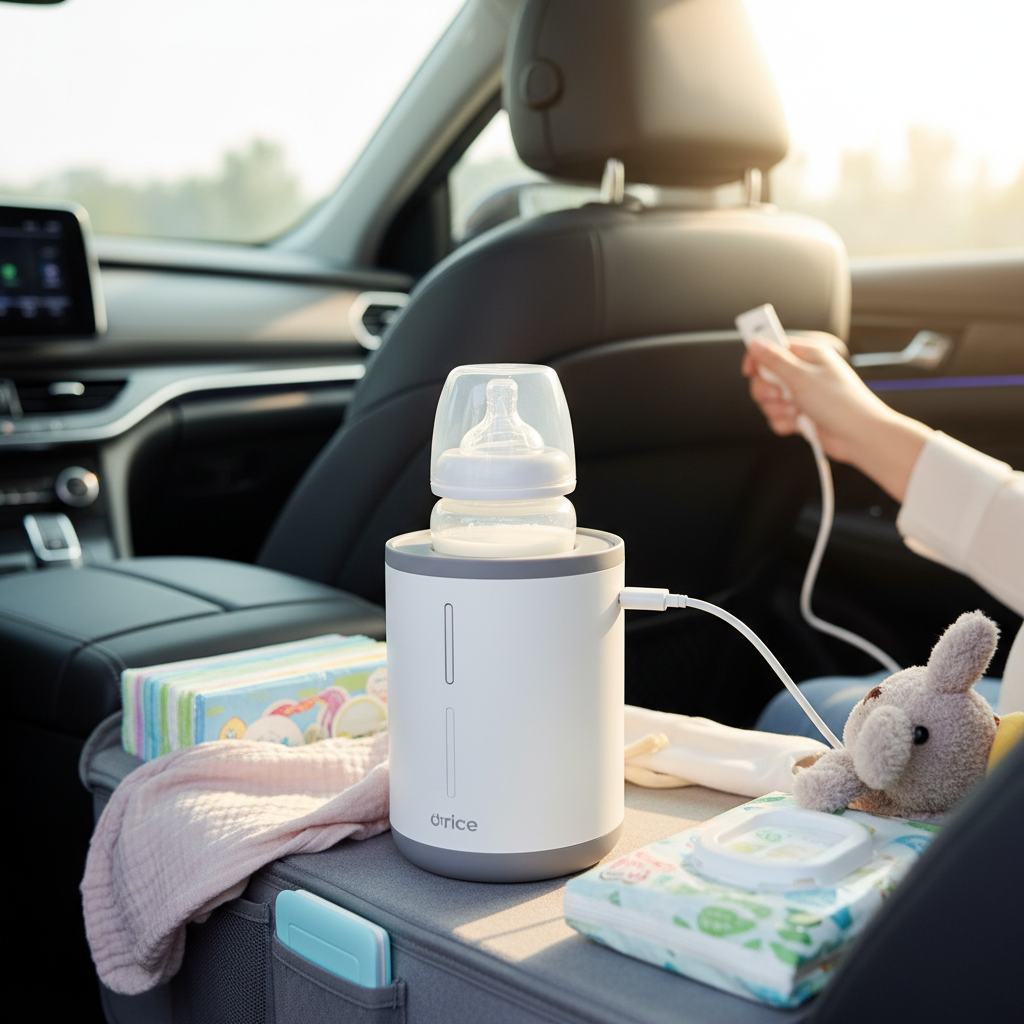
For new parents, a milk warmer is a lifesaver, promising perfectly tempered milk with minimal fuss. Yet, a common and concerning issue arises when these convenient devices overheat milk, turning a helpful tool into a potential hazard. Overheated milk isn’t just uncomfortable for your baby; it can compromise precious nutrients and even pose a burn risk. Understanding why your milk warmer goes rogue and how to bring it back to optimal performance is crucial for ensuring safe and nourishing feeds every time.
The Critical Importance of Correct Milk Temperature
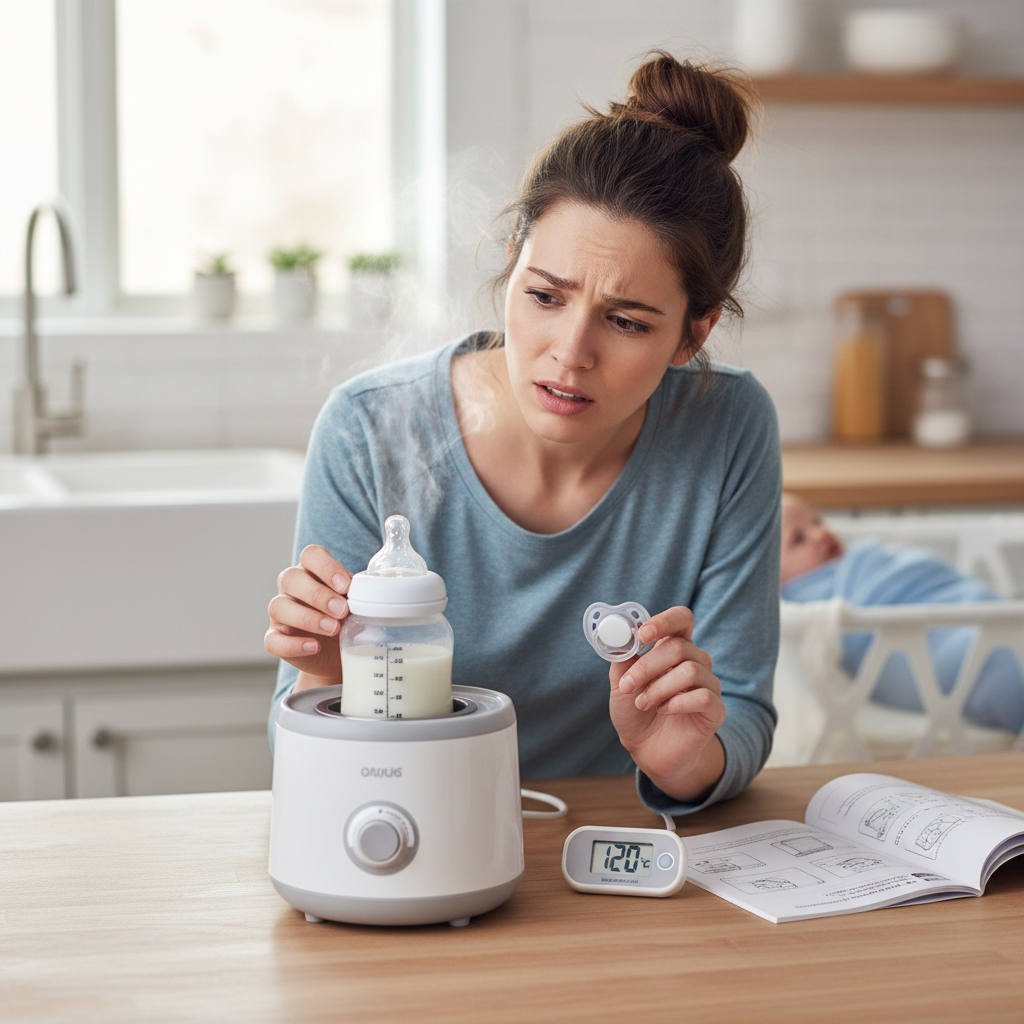
Ensuring your baby’s milk is at the right temperature is more vital than you might imagine. While too-cold milk can cause digestive upset, milk that is too hot presents far more serious concerns. Breast milk, for instance, contains delicate immunological properties and vital nutrients that begin to degrade at temperatures exceeding 104°F (40°C). Beyond nutritional loss, scalding hot milk can burn a baby’s sensitive mouth and esophagus, leading to pain and potential injury. Therefore, achieving that “just right” temperature—around body temperature (98.6°F or 37°C)—is paramount for both safety and nutritional integrity.
Unpacking the Reasons Your Milk Warmer Overheats
Several factors can cause a milk warmer to deliver milk hotter than intended. Pinpointing the exact cause is the first step toward a lasting solution.
Incorrect Settings and Operation
Many overheating issues stem from simple user error, often due to misinterpreting instructions or adjusting settings incorrectly.
- Wrong Temperature or Time Settings: Most warmers have various settings for different starting temperatures (room temperature, refrigerated, frozen) and milk volumes. Selecting a setting meant for a larger volume or colder milk than what you’re actually warming can lead to overheating. Similarly, leaving milk in the warmer for too long, even on the correct setting, can push its temperature beyond the safe zone.
- Water Level Imbalance: The internal water level is critical for many warmers. Too little water can cause the heating element to concentrate heat too intensely, while too much might alter the heat transfer dynamics, leading to inconsistent or excessive warming. Always aim to match the water level with the milk level in the bottle.
- Starting with Warm Water: Some parents, in an attempt to speed things up, may fill the warmer with warm tap water. However, most warmers are calibrated to work with fresh, room-temperature water. Using pre-warmed water can confuse the warmer’s sensors, leading it to overcompensate and overheat the milk.
- Consecutive Warming Cycles: Using the warmer multiple times in a row without changing the water can also cause issues. Residual heat in the water from a previous cycle can skew the next warming process, making it less predictable and often leading to hotter milk.
|
Our Picks for the Best Milk warmer in 2026
As an Amazon Associate I earn from qualifying purchases.
|
||
| Num | Product | Action |
|---|---|---|
| 1 | SIMPLETASTE Milk Frother, 4-in-1 Electric Milk Frother and Steamer, Automatic Warm and Cold Foam Maker and Milk Warmer for Latte, Cappuccinos, Dark Blue |

|
| 2 | SIMPLETASTE Milk Frother, 4-in-1 Electric Milk Steamer, Automatic Warm and Cold Foam Maker and Milk Warmer for Latte, Cappuccinos, Macchiato |
|
| 3 | Milk Frother, 4-in-1 Electric Milk Steamer, 350ml/11.8oz Automatic Frother Machine for Coffee, Warm and Cold Foam, Temperature Control for Latte, Cappuccino, Hot Chocolate |
|
| 4 | Baby Brezza New and Improved Formula Pro Advanced Formula Dispenser Machine - Automatically Mix a Warm Formula Bottle Instantly - Easily Make Bottle with Automatic Powder Blending, White |
|
| 5 | Bottle Warmer, Grownsy 8-in-1 Fast Baby Bottle Warmer with Timer, Safe for Breastmilk Nutrients, Accurate Temperature Control, with Defrost, Sterili-zing, Keep Warm, Heats Baby Food & Bottles |
|
| 6 | Momcozy Baby Bottle Warmer for Breast Milk Formula Food, Fullest Nutrients Preserved, Fast Heat, Night Light for Nighttime Breastfeeding, One-Touch Easy Use, Newborn Essentials Supplies Gift for Mom |
|
| 7 | Momcozy Portable Bottle Warmer for Travel – Dual Heating Modes for Breast Milk & Water, Portable Milk Warmer with Fast Heating & Long Battery Life, 17 Ounces Large Capacity to Meet Your All-Day Needs |
|
| 8 | Philips Avent Premium Fast Bottle Warmer, with Smart Temperature Control, Water Bath Technology, Automatic Shut-Off, Model SCF358 |
|
| 9 | Gevi Milk Frother,5 in 1 Stainless Steel Professional Milk Steamer,Easy to Clean Hot Chocolate Maker,for Hot and Cold Milk Frother for Latte,Macchiato,Cappuccino and Hot Chocolate |
|
| 10 | Momcozy Portable Bottle Warmer for Travel – Dual Heating Modes for Breast Milk & Water, Portable Milk Warmer with Fast Heating & Long Battery Life, 17 Ounces Large Capacity, Purple |
|
Bottle Material and Size Matters
The type of bottle you use significantly impacts how quickly and effectively heat transfers to the milk.
- Glass Bottles: Glass is an excellent conductor of heat. While this means faster warming, it also means glass bottles can overheat very quickly if the warmer settings aren’t adjusted accordingly.
- Plastic Bottles: Standard plastic bottles generally heat more slowly than glass. However, inconsistencies can still arise, especially with thicker plastics.
- Silicone Bottles: Silicone is an insulator, meaning it heats the slowest. If your warmer is not designed with specific settings for silicone, or if you don’t allow extra warming time, you might experience issues with both under-warming and, if you then over-adjust, overheating.
Design Limitations of the Warmer Itself
Not all milk warmers are created equal. Some models, especially older or more basic ones, lack sophisticated temperature regulation.
- Generalized Heating Mechanisms: Many warmers operate on a simple timer and an on/off heating element rather than precise, continuous temperature monitoring of the milk itself. Their “settings” are often generalized estimations that don’t account for every variable like the exact starting temperature of your milk or the specific bottle material.
- Faulty Thermostat or Sensor: Over time, the internal thermostat or temperature sensors in your warmer can become less accurate. This malfunction can lead the device to misread the water or milk temperature, causing it to continue heating past the desired point.
Mineral Buildup and Maintenance
Neglecting regular cleaning can severely impact your warmer’s performance.
- Scale Accumulation: Hard water leaves mineral deposits (scale) on the heating element. This buildup acts as an insulator, making the warmer less efficient. The device may then work harder and longer to reach a set temperature, potentially leading to sudden spikes and overheating once the heat finally penetrates the scale.
Practical Fixes: Getting Your Warmer Back on Track
Addressing an overheating milk warmer typically involves a combination of careful operation and maintenance.
1. Master Your Warmer’s Manual
This might seem obvious, but thoroughly re-reading your warmer’s instruction manual is the most critical first step. Pay close attention to:
- Recommended water levels: Exactly how much water should be in the warming chamber for different milk volumes.
- Specific settings for milk volume and temperature: Understand the distinction between settings for refrigerated milk, room temperature milk, and different ounce measurements.
- Guidelines for bottle materials: If your warmer has specific advice for glass, plastic, or silicone bottles, follow it rigorously.
2. Fine-Tune Your Settings
The recommended settings are a starting point, not a rigid rule. You may need to experiment.
- Adjust for Bottle Material: If using glass bottles, start with a lower setting or shorter warming time than recommended for plastic. For silicone, you might need a slightly longer duration, but always monitor closely to avoid overshooting.
- Consider Starting Temperature and Volume: A small amount of milk from the refrigerator will warm much faster than a large, frozen block. Adjust your settings based on the actual quantity and initial temperature of the milk.
- Don’t Over-Estimate: When in doubt, err on the side of under-warming. You can always run a short additional cycle if the milk is too cool, but you can’t undo overheating.
3. Maintain Optimal Water Conditions
The water you use in your warmer plays a starring role in its performance.
- Fresh, Room-Temperature Water Every Time: Always use fresh, cool tap water for each warming cycle. This ensures the warmer’s heating element starts from a consistent baseline, allowing its internal mechanisms to function as intended without having to “catch up” or overcompensate for pre-existing heat.
- Correct Water Level: Fill the warmer with water up to the same level as the milk inside the bottle. This ensures even heat transfer and helps prevent hot spots or inefficient warming. If you’re warming a large volume where the milk height exceeds the warmer’s rim, fill the warmer to about 0.4 inches (1 cm) below the rim.
- Empty and Refill Between Uses: If you need to warm multiple bottles, always pour out the old water and replace it with fresh, room-temperature water for each subsequent bottle.
4. Always Test the Temperature
No matter how confident you are in your warmer’s settings, a final check is non-negotiable.
- The Wrist Test: After warming, swirl the bottle gently to distribute heat evenly. Then, drip a few drops of milk onto the inside of your wrist. It should feel comfortably warm, not hot. If it feels too hot or too cold, adjust your warmer’s settings for the next use.
- Consider a Thermometer: For absolute precision, especially if you’re consistently having issues, a food-safe thermometer can give you an exact reading of the milk’s temperature. Aim for around 98.6°F (37°C).
5. Regular Cleaning and Descaling
Preventative maintenance can avert many common problems.
- Daily Wipe-Down: After each use, wipe down the warming chamber to prevent immediate residue buildup.
- Regular Descaling: Depending on your water hardness, descale your warmer weekly or bi-weekly. A common method involves filling the warmer with a mixture of half white vinegar and half water, letting it sit for an hour (or per manufacturer instructions), then rinsing thoroughly. This removes mineral deposits that can hinder heating efficiency and lead to overheating. Using filtered water can also help reduce mineral buildup over time.
When to Consider a Replacement
If you’ve diligently followed all troubleshooting steps—ensuring correct settings, water levels, and regular cleaning—and your warmer still consistently overheats milk, it may indicate an internal malfunction. A faulty heating element, sensor, or thermostat cannot be easily fixed at home. In such cases, it’s best to contact the manufacturer’s customer support for warranty options or consider investing in a new, more reliable model.
Conclusion
A milk warmer should simplify feeding, not add stress. Overheating milk is a serious concern, risking both your baby’s nutrition and safety. By understanding the common causes—from incorrect settings and water levels to bottle material nuances and the warmer’s design—you can take proactive steps to fix the problem. Always prioritize reading the manual, experimenting with settings, using fresh water, and performing regular maintenance. When in doubt, always test the milk’s temperature before offering it to your little one. With these fixes, you can confidently ensure every bottle is perfectly warm and safe.
Frequently Asked Questions
Why does my milk warmer sometimes heat milk too fast?
Milk warmers can heat milk too fast due to several reasons, including using an incorrect setting for the milk volume, the type of bottle material (glass heats faster), or the water level in the warmer being too low. Always ensure you’re following the manufacturer’s guidelines for your specific bottle type and milk quantity.
Can I use my milk warmer for defrosted breast milk?
Most milk warmers have specific settings for defrosting breast milk. It’s crucial to use these gentle thawing functions to preserve the nutrients. Be sure to check your warmer’s manual for the correct procedure and settings, as improper defrosting can also lead to overheating.
How often should I descale my milk warmer?
The frequency of descaling depends on the hardness of your tap water and how often you use the warmer. If you have hard water and use the warmer daily, descaling once a week or every two weeks is advisable. Mineral buildup can significantly affect performance and temperature accuracy.
Is it safe to use a bottle warmer with any type of bottle?
While most bottle warmers are designed to accommodate various bottle shapes and sizes, the material of the bottle (glass, plastic, silicone) greatly influences heating time and efficiency. Always adjust your warmer settings based on the bottle material to prevent under or overheating.
What is the ideal temperature for baby’s milk?
The ideal temperature for a baby’s milk is typically around body temperature, which is 98.6°F (37°C). Milk should feel comfortably warm, not hot, when tested on the inside of your wrist. Heating above 104°F (40°C) can start to degrade important nutrients in breast milk.