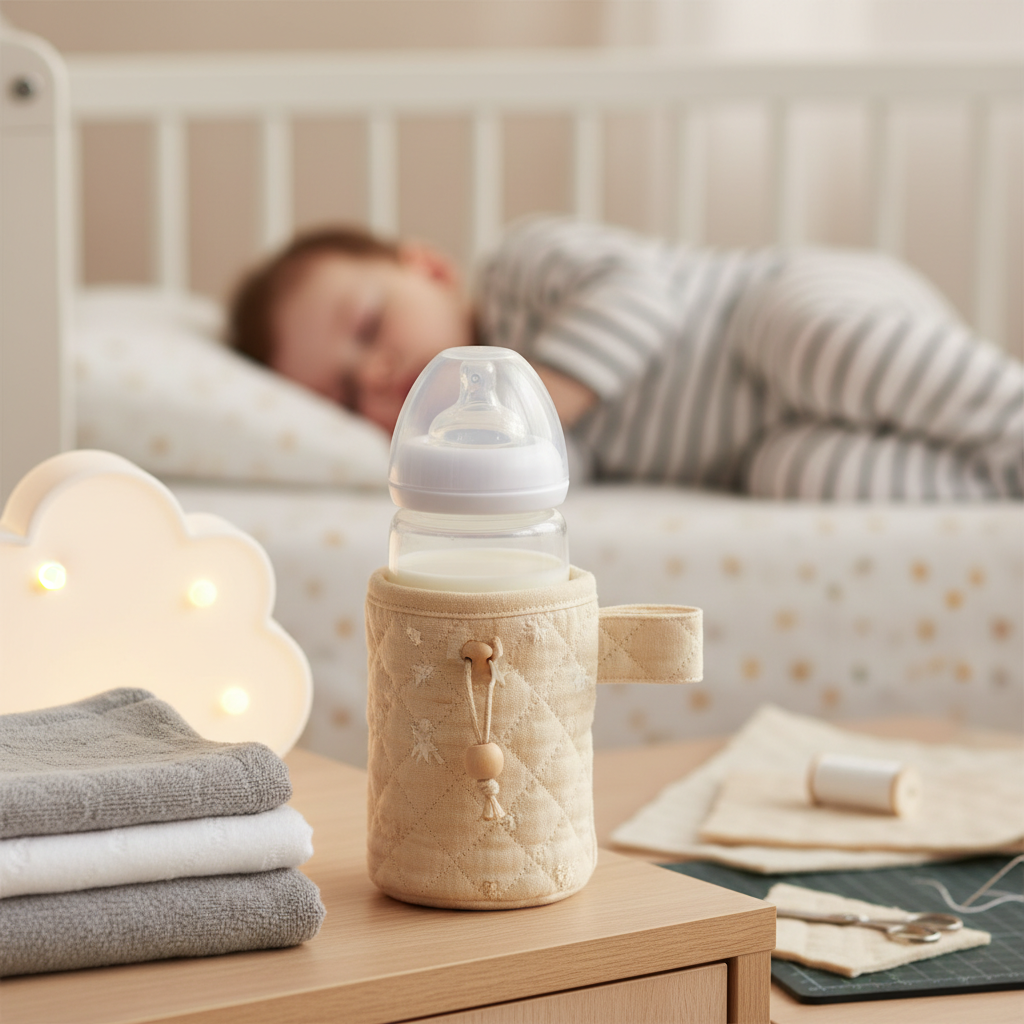
As a seasoned technician with over a decade in the milk warmer industry, I’ve witnessed the evolution of baby feeding technology. While many parents opt for the convenience of plastic, a growing number are turning to glass baby bottles for their inherent purity and durability. Combining these elegant vessels with a dedicated milk warmer is a fantastic way to ensure your little one receives perfectly warmed milk, safely and efficiently. This guide will delve into the nuances of warming milk in glass bottles, highlighting essential safety features and recommending top warmers to bring you peace of mind.
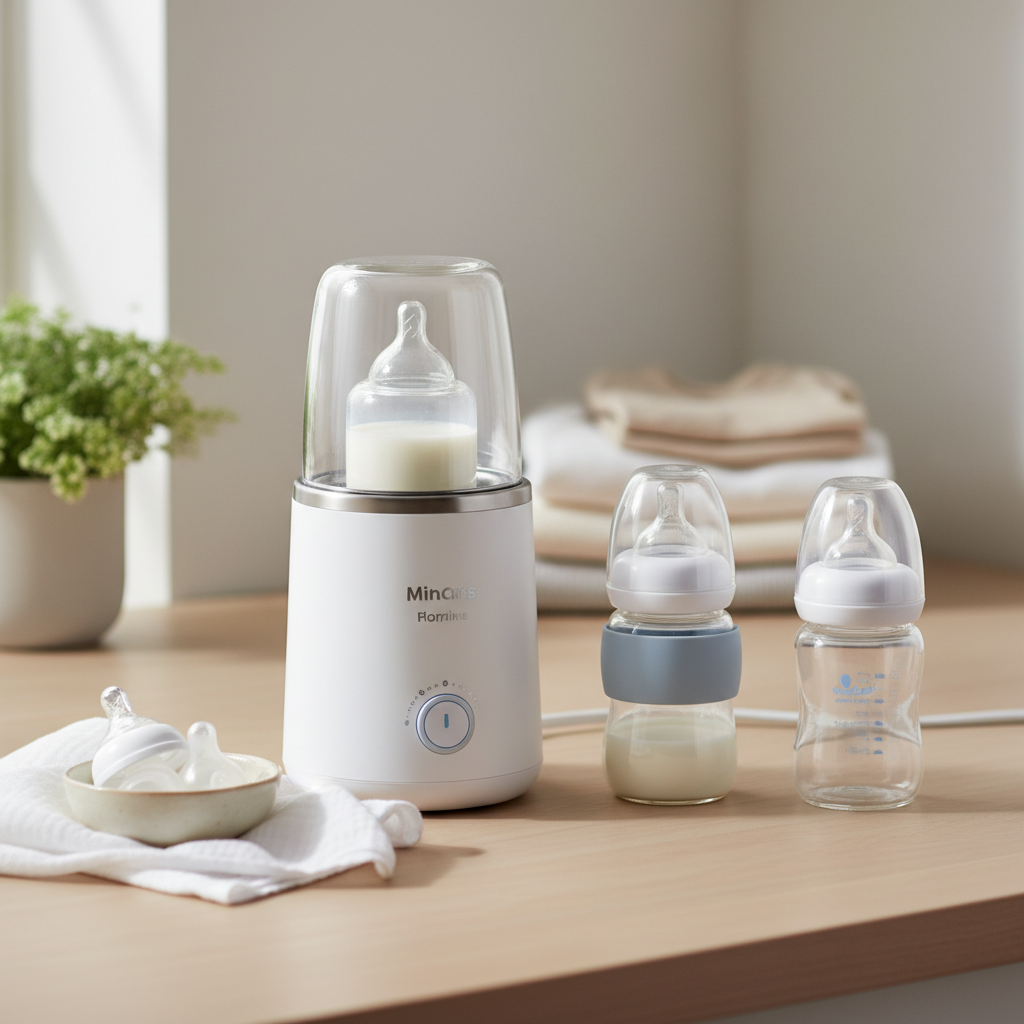
The Enduring Appeal of Glass Baby Bottles
Glass baby bottles have made a significant comeback, and for good reason. Parents often choose glass for its non-toxic, chemical-free composition, offering a pure feeding experience without concerns about BPA, phthalates, or other plastics leaching into milk. Beyond health considerations, glass is renowned for its durability and resistance to odors and stains, making it exceptionally easy to clean and maintain. However, warming milk in glass bottles requires a thoughtful approach, particularly concerning temperature changes and overall safety.
Why a Dedicated Milk Warmer is Essential for Glass Bottles
While traditional methods like a warm water bath can work, a dedicated milk warmer offers unparalleled convenience, consistency, and safety, especially with glass bottles. These devices are designed to heat milk evenly, preventing dangerous “hot spots” that can occur with microwaves—a method universally discouraged by pediatricians. Moreover, gentle and controlled heating is crucial for preserving the vital nutrients and antibodies in breast milk and ensuring formula is prepared optimally. For glass bottles, a specialized warmer mitigates the risk of thermal shock, which, although rare with modern tempered glass, can theoretically cause breakage if exposed to extreme temperature fluctuations too rapidly.
Key Safety Features to Prioritize in a Glass Bottle Warmer
When selecting a milk warmer for your glass baby bottles, safety should be paramount. Look for models equipped with features that ensure a gentle, controlled warming process.
- Gentle and Even Heating: The best warmers for glass bottles utilize a water bath method, circulating warm water around the bottle. This ensures milk heats gradually and uniformly, preserving nutrients and preventing both hot spots and thermal shock to the glass.
- Precise Temperature Control & Auto-Shutoff: An accurate thermostat is vital to heat milk to body temperature (around 98-104°F or 37-40°C) without overheating. An automatic shut-off feature ensures the warmer turns off once the desired temperature is reached, preventing nutrient degradation and potential burns. Some advanced models even maintain the temperature for a set period.
- Specific Settings for Glass Bottles: Some innovative warmers include a dedicated “glass bottle setting.” This feature accounts for the material’s thermal properties, optimizing the warming cycle to provide gentle yet effective heating without stressing the glass.
- BPA-Free Construction: While glass bottles are inherently free of harmful chemicals, ensure any components of the warmer that come into contact with the bottle or water are also BPA-free.
Types of Milk Warmers and Their Suitability for Glass Bottles
Different milk warmer technologies offer varying benefits for glass bottles:
- Water Bath Warmers: These are generally considered the safest and most effective for glass. They immerse the bottle in a pool of gently heated water, ensuring even heat distribution and minimizing the risk of thermal shock. They are excellent for nutrient preservation but might be slightly slower than steam warmers.
- Steam Warmers: Some steam warmers can be used with glass, but it’s crucial to choose models with precise temperature control and specific glass settings. Rapid, intense steam can potentially lead to uneven heating or, in rare cases, thermal stress if not managed correctly. Look for models that emphasize gentle steam cycles.
- Portable Warmers: For parents on the go, portable warmers are invaluable. Many use internal heating elements with a water reservoir or directly heat the milk within a glass-lined container. When choosing a portable option for glass, prioritize robust construction and features that prevent leaks and maintain stable temperatures during travel.
Top Milk Warmers for Safe Glass Bottle Use
Based on expertise and user feedback, several milk warmers stand out for their excellent performance and safety when used with glass baby bottles:
Philips Avent Fast Baby Bottle Warmer
|
Our Picks for the Best Milk warmer in 2026
As an Amazon Associate I earn from qualifying purchases.
|
||
| Num | Product | Action |
|---|---|---|
| 1 | Gevi Milk Frother,5 in 1 Stainless Steel Professional Milk Steamer,Easy to Clean Hot Chocolate Maker,for Hot and Cold Milk Frother for Latte,Macchiato,Cappuccino and Hot Chocolate |

|
| 2 | Bottle Warmer, Grownsy 8-in-1 Fast Baby Bottle Warmer with Timer, Safe for Breastmilk Nutrients, Accurate Temperature Control, with Defrost, Sterili-zing, Keep Warm, Heats Baby Food & Bottles |
|
| 3 | Momcozy Portable Bottle Warmer for Travel – Dual Heating Modes for Breast Milk & Water, Portable Milk Warmer with Fast Heating & Long Battery Life, 17 Ounces Large Capacity to Meet Your All-Day Needs |
|
| 4 | Philips Avent Premium Fast Bottle Warmer, with Smart Temperature Control, Water Bath Technology, Automatic Shut-Off, Model SCF358 |
|
| 5 | Momcozy Portable Bottle Warmer for Travel – Dual Heating Modes for Breast Milk & Water, Portable Milk Warmer with Fast Heating & Long Battery Life, 17 Ounces Large Capacity, Purple |
|
| 6 | Baby Brezza New and Improved Formula Pro Advanced Formula Dispenser Machine - Automatically Mix a Warm Formula Bottle Instantly - Easily Make Bottle with Automatic Powder Blending, White |
|
| 7 | SIMPLETASTE Milk Frother, 4-in-1 Electric Milk Steamer, Automatic Warm and Cold Foam Maker and Milk Warmer for Latte, Cappuccinos, Macchiato |
|
| 8 | Momcozy Baby Bottle Warmer for Breast Milk Formula Food, Fullest Nutrients Preserved, Fast Heat, Night Light for Nighttime Breastfeeding, One-Touch Easy Use, Newborn Essentials Supplies Gift for Mom |
|
| 9 | SIMPLETASTE Milk Frother, 4-in-1 Electric Milk Frother and Steamer, Automatic Warm and Cold Foam Maker and Milk Warmer for Latte, Cappuccinos, Dark Blue |
|
| 10 | Milk Frother, 4-in-1 Electric Milk Steamer, 350ml/11.8oz Automatic Frother Machine for Coffee, Warm and Cold Foam, Temperature Control for Latte, Cappuccino, Hot Chocolate |
|
This widely popular warmer is celebrated for its speed and intelligent temperature control. It heats milk evenly in as little as three minutes, preventing hot spots and preserving nutrients. The design is intuitive, making it easy to use even during those groggy nighttime feeds. Its gentle warming method, typically a water bath, is ideal for glass bottles, ensuring they are heated safely without risk of thermal shock. It also features a defrost setting for frozen milk and can keep milk warm for up to 60 minutes.
Momcozy Smart Bottle Warmer
The Momcozy Smart Bottle Warmer is a versatile option known for its intelligent heating design and compatibility with various bottle types, including glass. It boasts a 30% faster heat-up speed, warming milk from cold to body temperature in 2-5 minutes. Critically for glass bottles, some Momcozy models include a specific “material selection” feature, allowing you to choose “glass” for optimized, safe heating. It also offers thawing, food heating, and a 24-hour keep-warm function, making it a multi-functional kitchen essential.
Grownsy Bottle Warmer
The Grownsy 10-in-1 Bottle Warmer is a popular choice for its comprehensive features and reliability. It employs smart, gentle heating that preserves nutrients and offers universal compatibility with most bottle types and sizes. Key safety features include an anti-scald basket and a DIY memory mode, allowing parents to save their preferred warming settings. Users often praise its consistency and effectiveness with glass bottles, making it a solid choice for safe and efficient warming.
Papablic Bottle Warmer
The Papablic Bottle Warmer is highly regarded for its low-temperature variability, meaning it heats milk very evenly and consistently to the optimal temperature (around 98-104°F). It often includes a dedicated “glass bottle setting,” making it a thoughtful choice for those committed to glass bottles. This warmer focuses on preventing overheating, a critical aspect of preserving milk nutrients and ensuring baby’s safety. Its user-friendly interface makes nighttime warming less stressful.
Dr. Brown’s Deluxe Bottle Warmer & Sterilizer
This innovative device offers precise settings for different bottle materials, including glass, and various starting temperatures (room temperature, refrigerated, frozen). It warms bottles and also sterilizes them, adding to its utility. While some users note it can be a bit “techy” to navigate initially, its advanced features ensure milk is heated to exact specifications, making it a reliable choice for discerning parents. The memory function allows for quick repetition of preferred settings, simplifying subsequent feeds.
How to Safely Warm and Handle Glass Baby Bottles
Even with the best warmer, proper technique ensures maximum safety and effectiveness:
- Gradual Temperature Changes: While modern tempered glass is durable, always aim for gradual warming. Avoid placing an ice-cold glass bottle directly into boiling water. A bottle warmer is designed to facilitate this gradual increase.
- Check Water Levels: For water bath warmers, ensure the water level reaches the milk level in the bottle. This promotes even heating.
- Shake and Test: After warming, remove the bottle, swirl the milk gently to distribute heat evenly (never shake vigorously, especially breast milk, as it can damage milk structure), and test a few drops on your inner wrist. It should feel lukewarm, not hot.
- Time Limits: Never leave milk in the warmer for extended periods after it has reached temperature, typically no more than 15-30 minutes, to prevent bacterial growth and nutrient degradation.
- Cleaning and Maintenance: Regularly clean your bottle warmer according to the manufacturer’s instructions to prevent mineral buildup and maintain optimal performance and hygiene. For glass bottles, wash thoroughly after each use and sterilize as needed.
Expert Tips for Optimal Glass Bottle Warming
- Baby’s Preference: Not all babies prefer warm milk! Some babies happily drink cold or room-temperature milk. Experiment to see what your baby prefers; skipping warming can save significant time.
- Storage Matters: Always store breast milk and formula according to recommended guidelines (e.g., in the coldest part of the refrigerator, not the door). Warmed milk that isn’t consumed within a short period (typically one hour) should be discarded.
- Tempered Glass Durability: Rest assured that most modern glass baby bottles are made from tempered glass, which is designed to withstand temperature changes. While rare, drops on hard surfaces are more likely to cause breakage than typical warming processes.
- Batch Warming: For busy parents, consider a warmer that can handle two bottles simultaneously or has a “keep warm” function for pre-prepped bottles, saving precious time.
Conclusion
Choosing glass baby bottles is an excellent decision for purity and durability, and pairing them with the right milk warmer ensures every feed is safe, nutritious, and convenient. By prioritizing features like gentle, even heating, precise temperature control, and auto-shutoff, you can confidently navigate feeding times. Whether you opt for a speedy Philips Avent, a smart Momcozy, a versatile Grownsy, a consistent Papablic, or a multi-functional Dr. Brown’s, a dedicated milk warmer will quickly become an indispensable tool in your parenting journey. Which milk warmer will revolutionize your feeding routine and provide the safest experience for your little one?
Frequently Asked Questions
Can I use any bottle warmer with glass bottles?
While most modern warmers are designed to be compatible with various bottle materials, it’s always best to check the product specifications. Water bath warmers are generally the safest for glass bottles due to their gentle, even heating.
Is thermal shock a real concern with modern glass baby bottles?
Modern glass baby bottles are typically made from tempered glass, designed to be highly resistant to thermal shock from normal temperature fluctuations like fridge to warm water. However, extreme changes, such as placing an ice-cold bottle into boiling water, should still be avoided.
How do I check the milk temperature safely?
After warming, gently swirl the bottle to ensure even heat distribution. Then, drip a small amount of milk onto the inside of your wrist. It should feel lukewarm, not hot, indicating a safe temperature for your baby.
How long can warmed milk sit out?
Once milk has been warmed, it should ideally be consumed within one hour. Any leftover milk in the bottle after a feeding should be discarded to prevent bacterial growth.
Are there any glass bottles that are particularly recommended for warming?
Many reputable brands like Philips Avent, Dr. Brown’s, and Lansinoh offer high-quality tempered glass bottles that are well-suited for use with bottle warmers. Always ensure the bottle fits securely within your chosen warmer.