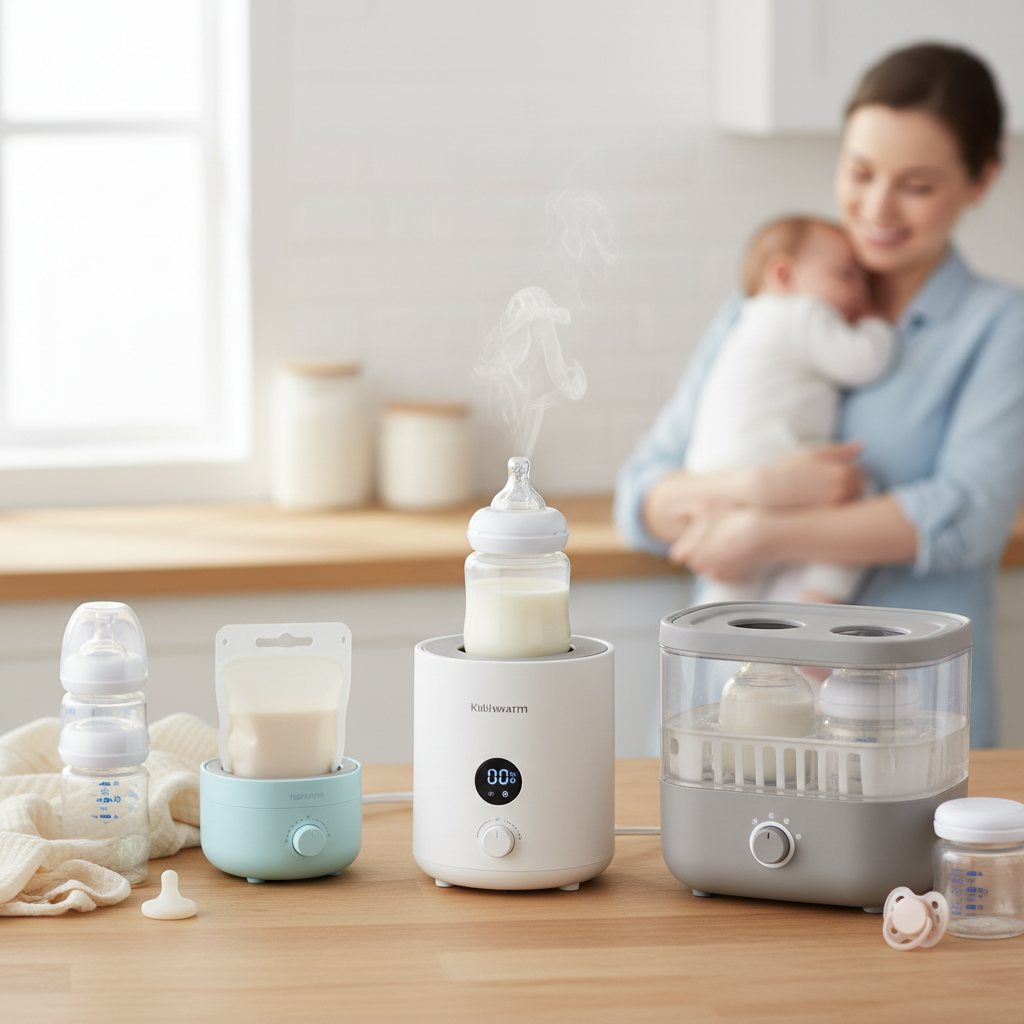
The journey of parenthood is filled with countless decisions, and ensuring your little one is well-fed and comfortable is paramount. Among the array of baby gear, the milk warmer stands out as a device designed to simplify feeding routines and provide consistent, safely warmed milk. But with the market offering a variety of options, from compact portable units to robust plug-in models, how do you determine which is the perfect fit for your family’s unique lifestyle? This comprehensive guide will break down the crucial differences, advantages, and considerations of portable and plug-in milk warmers, helping you make an informed choice for your precious baby.
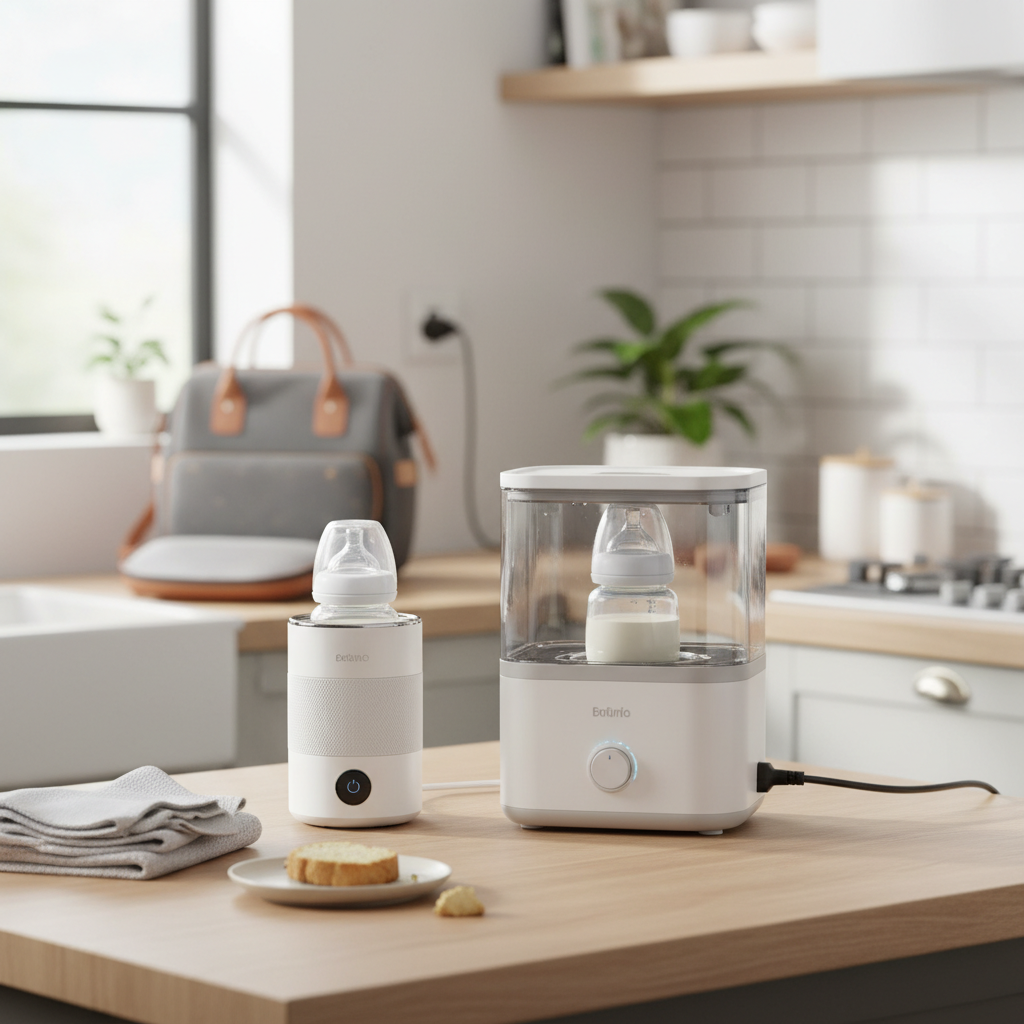
Why a Milk Warmer is Essential for Modern Parents
For generations, parents have warmed milk using traditional methods like hot water baths or even microwaves. However, modern milk warmers offer significant improvements in safety, convenience, and nutritional preservation. They ensure consistent temperatures, preventing dangerous hot spots that can scald a baby’s delicate mouth and safeguarding the vital nutrients in breast milk and formula that can be degraded by overheating. These devices streamline feeding, particularly during demanding nighttime hours or when juggling multiple tasks, providing peace of mind and precious saved time.
Understanding Portable Milk Warmers
Portable milk warmers are designed with mobility in mind, offering parents the flexibility to warm milk wherever they go. Typically compact and lightweight, these devices are often battery-powered, USB-chargeable, or include car adapters, making them indispensable for life on the move.
Advantages of Portable Milk Warmers
- Unmatched Mobility: The primary benefit is the freedom to warm milk without needing a wall outlet. This makes them perfect for road trips, park visits, errands, or simply moving between rooms at home.
- Convenience for On-the-Go Feeds: No more searching for hot water in cafes or relying on makeshift methods. Portable warmers offer instant access to warm milk, crucial for a hungry baby.
- Night Feeds Away From Home: When staying overnight at grandparents’ or a hotel, a portable warmer provides a familiar, quick solution for those inevitable middle-of-the-night feedings.
- Nutrient Preservation: Many portable models feature advanced temperature sensors and gentle heating methods (like water baths or controlled dry heat) to prevent overheating and maintain milk’s nutritional integrity.
|
Our Picks for the Best Milk warmer in 2026
As an Amazon Associate I earn from qualifying purchases.
|
||
| Num | Product | Action |
|---|---|---|
| 1 | Momcozy Portable Bottle Warmer for Travel – Dual Heating Modes for Breast Milk & Water, Portable Milk Warmer with Fast Heating & Long Battery Life, 17 Ounces Large Capacity to Meet Your All-Day Needs |

|
| 2 | Bottle Warmer, Grownsy 8-in-1 Fast Baby Bottle Warmer with Timer, Safe for Breastmilk Nutrients, Accurate Temperature Control, with Defrost, Sterili-zing, Keep Warm, Heats Baby Food & Bottles |
|
| 3 | Philips Avent Premium Fast Bottle Warmer, with Smart Temperature Control, Water Bath Technology, Automatic Shut-Off, Model SCF358 |
|
| 4 | Baby Brezza New and Improved Formula Pro Advanced Formula Dispenser Machine - Automatically Mix a Warm Formula Bottle Instantly - Easily Make Bottle with Automatic Powder Blending, White |
|
| 5 | Milk Frother, 4-in-1 Electric Milk Steamer, 350ml/11.8oz Automatic Frother Machine for Coffee, Warm and Cold Foam, Temperature Control for Latte, Cappuccino, Hot Chocolate |
|
| 6 | Momcozy Baby Bottle Warmer for Breast Milk Formula Food, Fullest Nutrients Preserved, Fast Heat, Night Light for Nighttime Breastfeeding, One-Touch Easy Use, Newborn Essentials Supplies Gift for Mom |
|
| 7 | SIMPLETASTE Milk Frother, 4-in-1 Electric Milk Steamer, Automatic Warm and Cold Foam Maker and Milk Warmer for Latte, Cappuccinos, Macchiato |
|
| 8 | Momcozy Portable Bottle Warmer for Travel – Dual Heating Modes for Breast Milk & Water, Portable Milk Warmer with Fast Heating & Long Battery Life, 17 Ounces Large Capacity, Purple |
|
| 9 | SIMPLETASTE Milk Frother, 4-in-1 Electric Milk Frother and Steamer, Automatic Warm and Cold Foam Maker and Milk Warmer for Latte, Cappuccinos, Dark Blue |
|
| 10 | Gevi Milk Frother,5 in 1 Stainless Steel Professional Milk Steamer,Easy to Clean Hot Chocolate Maker,for Hot and Cold Milk Frother for Latte,Macchiato,Cappuccino and Hot Chocolate |
|
Limitations of Portable Milk Warmers
- Battery Life and Recharging: Relying on batteries means limited uses per charge, necessitating frequent recharging, which can be inconvenient. Some “portable” models still require a power source, limiting true on-the-go flexibility.
- Slower Heating Times: Compared to their plug-in counterparts, many portable warmers take longer to heat milk, which can feel like an eternity with a crying baby.
- Capacity Restrictions: Due to their compact design, some portable warmers may have smaller capacities or be less compatible with larger or unusually shaped bottles.
- Cost: Portable warmers can sometimes be pricier due to the integrated battery technology and compact design.
Ideal User Profile for Portable Warmers
Parents who are frequently out and about, travel often, or simply appreciate the flexibility of not being tethered to an outlet will find portable milk warmers invaluable. They are a game-changer for active families and those who need quick warming solutions away from home.
Exploring Plug-in Milk Warmers
Plug-in milk warmers, often referred to as countertop warmers, are designed for stationary use within the home. They draw power directly from an electrical outlet, enabling them to offer a wider range of features and generally faster heating times.
Advantages of Plug-in Milk Warmers
- Consistent and Rapid Heating: With a constant power supply, plug-in models often heat milk faster and more consistently, ensuring precise temperatures for every feed.
- Advanced Features: Many countertop warmers come equipped with additional functionalities such as sterilizing bottles, defrosting frozen breast milk, heating baby food jars, and even dual bottle capacity for twins or multiple children. Some boast digital displays, programmable settings, and smart app connectivity.
- Reliable Power Source: There’s no concern about running out of battery charge in the middle of a feeding; as long as there’s an outlet, the warmer is ready to go.
- Versatility: These multi-functional units can grow with your child, offering utility beyond just warming milk.
Limitations of Plug-in Milk Warmers
- Lack of Portability: The most obvious drawback is their dependence on an electrical outlet, making them unsuitable for travel or use outside the home.
- Counter Space: Plug-in models tend to be larger and can occupy valuable counter space, which might be a concern in smaller kitchens.
- Tethered to an Outlet: Their stationary nature means you’re limited to warming milk in specific locations, which can be less convenient for parents who prefer to move around their home.
Ideal User Profile for Plug-in Warmers
Plug-in milk warmers are best suited for families who primarily feed at home, frequently warm bottles (e.g., for formula feeding or pumped breast milk), or desire additional features like sterilization. They are excellent for those seeking a reliable, feature-rich device for daily use in their kitchen or nursery.
Side-by-Side Comparison: Portable vs. Plug-in Milk Warmers
Understanding the direct differences can clarify which type aligns better with your parenting style.
| Feature | Portable Milk Warmer | Plug-in Milk Warmer |
|---|---|---|
| Portability | High (compact, battery/USB/car-powered) | Low (requires wall outlet, stationary) |
| Power Source | Rechargeable battery, USB, car adapter | AC wall outlet |
| Heating Speed | Generally slower (3-15 minutes, depending on model) | Generally faster (2-8 minutes, often more consistent) |
| Temperature Control | Often presets, some adjustable, with sensors | Highly precise, digital displays, smart features |
| Additional Features | Basic warming, some defrost, often single bottle | Sterilizing, defrosting, food warming, dual bottle, app control |
| Capacity | Typically single bottle, smaller volumes | Often larger capacity, can accommodate various bottle sizes |
| Price Range | Mid to high-end ($30 – $100+) | Entry-level to high-end ($20 – $150+) |
| Best Use Case | Travel, outings, car trips, night feeds away from home | Daily home use, frequent feedings, multi-functional needs |
Key Factors When Choosing Your Milk Warmer
Selecting the right milk warmer involves considering several practical aspects tailored to your family’s routine.
Lifestyle: On-the-Go or Homebody?
Your daily schedule is the most significant factor. If you frequently leave the house, travel, or have a baby who demands warm milk on demand, a portable warmer offers unparalleled convenience. If most feedings occur at home, a plug-in model will likely provide more consistent performance and features.
Feeding Frequency and Volume
For parents who warm many bottles daily, especially for formula or expressed breast milk, a fast, reliable plug-in warmer can save significant time. If you only occasionally warm milk or your baby accepts room-temperature milk, your needs might be less demanding.
Bottle Type Compatibility
Ensure the warmer you choose is compatible with your preferred bottle brands and sizes, as well as breast milk storage bags if you use them. Some warmers come with adapters for universal fit.
Heating Method
Warmers typically use water bath, steam, or dry heat.
- Water bath is gentle and preserves nutrients best but can be slower.
- Steam is faster but can sometimes lead to hot spots if not properly controlled.
- Dry heat with sensors offers direct warming with precise control.
Additional Features
Consider if you need more than just warming. Functions like sterilizing, defrosting, keeping milk warm for an extended period, or heating baby food can add significant value. Auto shut-off features are crucial for safety.
Budget
Milk warmers vary widely in price. Determine your budget and balance it against the features you truly need versus those that are simply “nice to have.” Remember, a higher price doesn’t always guarantee the best fit for your specific needs.
Ease of Cleaning
Regular cleaning is essential to prevent mold and bacteria buildup. Look for models with easily accessible heating elements and simple designs that make maintenance a breeze.
Top Recommendations for Each Type
Based on performance, features, and user feedback, here are some highly-rated options for both portable and plug-in milk warmers.
Best Portable Milk Warmers
- Momcozy Portable Milk & Water Warmer: Praised for its large capacity (17oz) and versatility, it can warm both milk and water for formula. It offers good battery life and is rechargeable, making it suitable for longer outings.
- BabyBrezza SuperFast Portable Bottle Warmer: This model stands out for its speed, heating in about three minutes. It features sensor technology to prevent overheating and is compact enough to fit in a cup holder, ideal for quick warming on the go.
- Baby’s Brew Portable Warmer: With a sleek design, this rechargeable warmer allows for exact temperature control and screws directly onto most bottles, making it highly compact and efficient for breast milk.
Best Plug-in Milk Warmers
- Philips Avent Fast Baby Bottle Warmer: A popular choice for its straightforward design and quick warming capabilities. It’s easy to use, has a defrost function, and can also warm baby food.
- Chicco Digital Bottle Warmer & Sterilizer: This multi-functional unit offers both water bath and steam warming, along with sterilization. It’s known for consistent heating, preventing overheating, and allowing for consecutive warming of bottles, great for busy homes.
- The First Years Gentle Warmth Digital: An excellent budget-friendly option that delivers consistent warming results. While it may take some trial and error to find the perfect setting, it reliably warms bottles without overheating.
Tips for Using and Maintaining Your Milk Warmer
To ensure the longevity and safety of your milk warmer, proper usage and maintenance are key.
- Always Read the Manual: Each warmer has specific instructions for water levels, heating times, and bottle compatibility.
- Test Temperature: Always test the milk’s temperature on the inside of your wrist before feeding your baby to prevent burns. The milk should feel lukewarm, not hot.
- Avoid Overheating: Do not leave milk in the warmer for extended periods after heating, as this can encourage bacterial growth and nutrient loss. Most breast milk should be used within two hours of warming, and formula within one hour.
- Regular Cleaning: Descale your warmer periodically to prevent mineral buildup, especially if you have hard water. Use a vinegar-water solution as recommended by the manufacturer. Clean the warming chamber and any removable parts after each use.
- Check for Compatibility: Double-check that your bottles fit securely and the warmer’s heating method is suitable for your bottle material (glass, plastic, silicone).
Conclusion
Choosing between a portable and plug-in milk warmer ultimately comes down to your family’s unique needs and lifestyle. If convenience and flexibility on the go are paramount, a portable warmer will be your best companion. For a robust, feature-rich device that handles frequent feedings and offers additional functionalities at home, a plug-in model is an ideal choice. Both types provide a safer, more consistent alternative to traditional warming methods, helping you ensure your baby receives their milk at the perfect temperature every time. Consider your daily routine, feeding habits, and desired features, and you’ll find the perfect milk warmer to simplify your parenting journey.
What kind of milk warmer fits your family’s dynamic best?