As parents, few concerns weigh as heavily as ensuring our babies receive the best nutrition possible. When it comes to feeding, especially with expressed breast milk or formula, the question often arises: “Do milk warmers destroy nutrients?” It’s a valid concern, echoing a desire to protect every precious drop for our little ones. This article delves into the science behind milk warming, dispels common myths, and provides practical advice to help you use milk warmers safely while preserving essential nutrients.
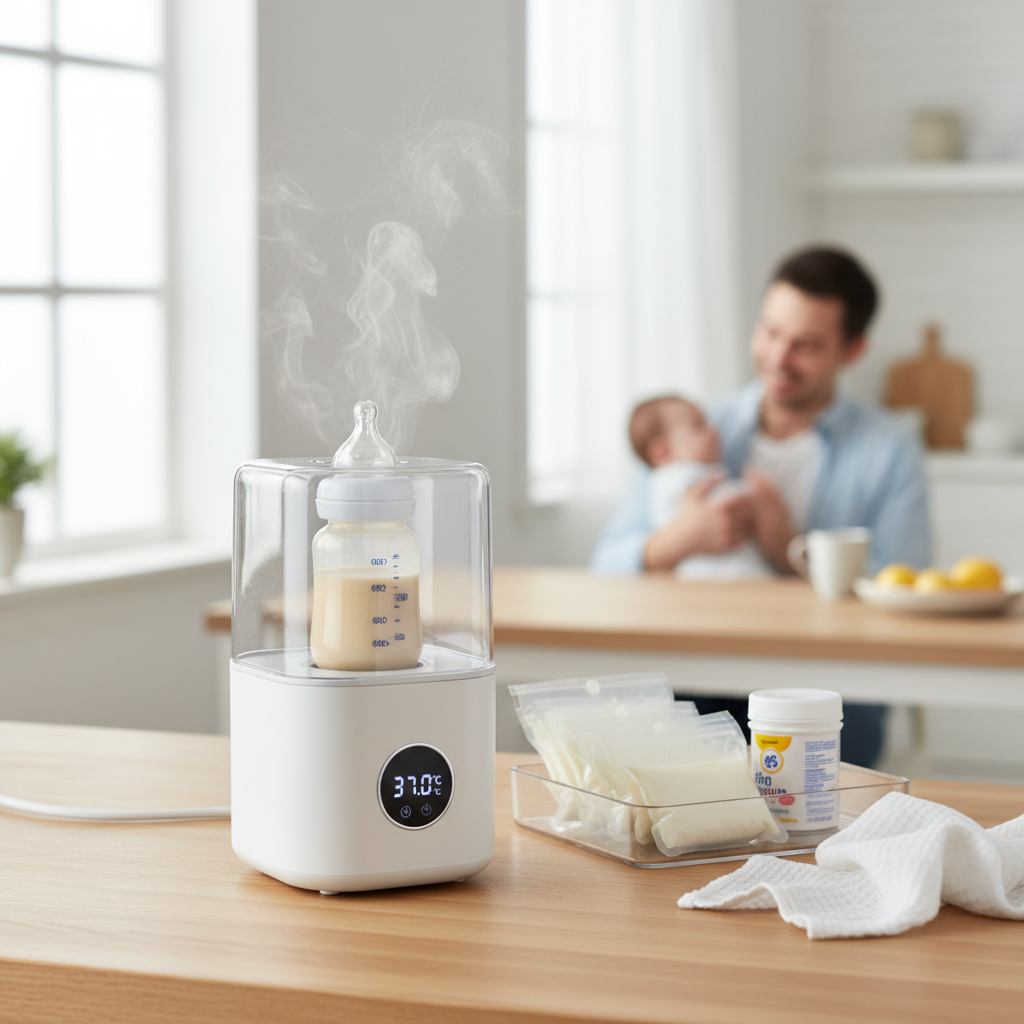
The Essential Role of Milk Warming for Infants
Warming milk for your baby isn’t just a matter of preference; it often mimics the natural feeding experience. Babies are accustomed to milk at body temperature directly from the breast, making warm milk more comforting and potentially easier to digest. [cite: 1.5, 1.1] For parents using expressed breast milk or formula, milk warmers offer a convenient and efficient way to achieve this ideal temperature, particularly during those demanding night feedings. The goal is to provide a pleasant feeding experience while ensuring the milk’s integrity.
Understanding Nutrient Sensitivity: How Heat Affects Breast Milk and Formula
Both breast milk and formula contain vital nutrients, but breast milk, often referred to as “liquid gold,” is particularly delicate due to its complex biological composition.
Breast Milk: A Delicate Balance of Nutrients
Breast milk is a living substance, rich in not just macronutrients like fats, proteins, and carbohydrates, but also a wealth of antibodies, enzymes, vitamins, and even living cells crucial for a baby’s growth and immune system development. [cite: 5.1] These delicate components are highly sensitive to heat.
Research indicates that the nutritional and immunological value of breast milk begins to deteriorate when warmed to temperatures higher than 104°F (40°C). [cite: 3.1, 4.1, 1.3, 1.4, 1.5] At 122°F (50°C), the rate of milk quality deterioration increases significantly. [cite: 2.2] Excessive heat can:
- Denature Proteins: Antibodies, enzymes (like lipase), and other beneficial proteins can lose their structure and function. For instance, pasteurization, which involves heating milk to 143.6°F (62°C) for 30 minutes, significantly decreases immunologic and anti-inflammatory components and destroys beneficial probiotic bacteria and white blood cells. [cite: 2.2]
- Reduce Vitamin Content: Vitamins such as C, B6, thiamin, folate, and riboflavin are susceptible to heat. High temperatures can lead to substantial losses of these vital micronutrients. [cite: 2.2, 2.3]
- Affect Fat Absorption: Heat treatment can reduce fat absorption, partly by denaturing bile salt-stimulated lipase (BSSL), which aids in fat digestion. [cite: 2.2]
|
Our Picks for the Best Milk warmer in 2026
As an Amazon Associate I earn from qualifying purchases.
|
||
| Num | Product | Action |
|---|---|---|
| 1 | Baby Brezza New and Improved Formula Pro Advanced Formula Dispenser Machine - Automatically Mix a Warm Formula Bottle Instantly - Easily Make Bottle with Automatic Powder Blending, White |

|
| 2 | Bottle Warmer, Grownsy 8-in-1 Fast Baby Bottle Warmer with Timer, Safe for Breastmilk Nutrients, Accurate Temperature Control, with Defrost, Sterili-zing, Keep Warm, Heats Baby Food & Bottles |
|
| 3 | Milk Frother, 4-in-1 Electric Milk Steamer, 350ml/11.8oz Automatic Frother Machine for Coffee, Warm and Cold Foam, Temperature Control for Latte, Cappuccino, Hot Chocolate |
|
| 4 | Momcozy Portable Bottle Warmer for Travel – Dual Heating Modes for Breast Milk & Water, Portable Milk Warmer with Fast Heating & Long Battery Life, 17 Ounces Large Capacity to Meet Your All-Day Needs |
|
| 5 | SIMPLETASTE Milk Frother, 4-in-1 Electric Milk Steamer, Automatic Warm and Cold Foam Maker and Milk Warmer for Latte, Cappuccinos, Macchiato |
|
| 6 | SIMPLETASTE Milk Frother, 4-in-1 Electric Milk Frother and Steamer, Automatic Warm and Cold Foam Maker and Milk Warmer for Latte, Cappuccinos, Dark Blue |
|
| 7 | Momcozy Portable Bottle Warmer for Travel – Dual Heating Modes for Breast Milk & Water, Portable Milk Warmer with Fast Heating & Long Battery Life, 17 Ounces Large Capacity, Purple |
|
| 8 | Philips Avent Premium Fast Bottle Warmer, with Smart Temperature Control, Water Bath Technology, Automatic Shut-Off, Model SCF358 |
|
| 9 | Gevi Milk Frother,5 in 1 Stainless Steel Professional Milk Steamer,Easy to Clean Hot Chocolate Maker,for Hot and Cold Milk Frother for Latte,Macchiato,Cappuccino and Hot Chocolate |
|
| 10 | Momcozy Baby Bottle Warmer for Breast Milk Formula Food, Fullest Nutrients Preserved, Fast Heat, Night Light for Nighttime Breastfeeding, One-Touch Easy Use, Newborn Essentials Supplies Gift for Mom |
|
Formula Milk: Heat Considerations
While formula milk does not contain the live cells and complex immunological factors found in breast milk, it still provides essential nutrients for infant development. Overheating formula can still compromise its nutritional quality and, more importantly, create dangerous hot spots that can scald a baby’s mouth. [cite: 1.2, 2.2, 3.2]
Do Milk Warmers Truly Destroy Nutrients? Debunking the Myth
The direct answer to whether milk warmers destroy nutrients is: No, not inherently, when used correctly. The key lies in how they are used. The concern about nutrient destruction stems from improper heating methods that expose milk to excessive temperatures or uneven warming.
Many modern milk warmers are designed to provide gentle, controlled heating, aiming to bring milk to body temperature without exceeding critical thresholds. When used according to manufacturer instructions and best practices, milk warmers are a safe and effective way to warm breast milk and formula, preserving their nutritional value. The crucial distinction is between controlled, gentle warming and rapid, high-temperature heating.
Different Types of Milk Warmers and Their Nutrient Impact
Understanding the different warming technologies can help you choose a method that best preserves milk nutrients.
Water Bath Milk Warmers
These warmers typically use a reservoir of warm water to gently heat the bottle. The milk is gradually brought to temperature, mimicking the traditional method of placing a bottle in a bowl of warm water.
- How they work: The bottle is placed in a chamber filled with water that is heated to a controlled temperature.
- Nutrient impact: Generally considered the gentlest method for breast milk. The even, gradual heat minimizes the risk of overheating and nutrient degradation. Some experts recommend water bath warmers for their ability to preserve nutrients. [cite: 4.4]
Steam Milk Warmers
Steam warmers use hot steam to heat the bottle quickly.
- How they work: A small amount of water is heated to boiling, producing steam that envelops the bottle.
- Nutrient impact: While fast, steam can generate higher temperatures more rapidly. This speed and intensity can be a disadvantage for breast milk, increasing the risk of exceeding the critical 104°F (40°C) threshold where nutrients begin to degrade. Some manufacturers note that steam heat can be too hot for breast milk and may destroy proteins. [cite: 4.4] They may be more suitable for formula or baby food that can withstand higher temperatures.
Multi-functional Warmers
Some advanced warmers offer multiple functions, including warming, sterilizing, and defrosting.
- Benefits and considerations: These offer versatility, but it’s essential to use the specific settings designed for milk warming, ensuring they employ gentle heat to protect nutrients. For instance, a sterilizing function will use much higher temperatures unsuitable for milk.
Methods to AVOID for Warming Milk
Certain heating methods are strongly discouraged due to their high risk of nutrient destruction and safety hazards:
- Microwave: This is the most critical method to avoid. Microwaves heat unevenly, creating “hot spots” that can scald a baby’s mouth and destroy crucial nutrients, including delicate proteins and immune-boosting compounds, in both breast milk and formula. [cite: 5.1, 1.1, 2.2, 3.3]
- Boiling Water or Direct Stovetop Heating: Placing a bottle directly in boiling water or heating it rapidly on the stove can lead to severe overheating, causing significant nutrient loss and posing a burn risk. [cite: 3.3, 1.4]
Choosing a Milk Warmer for Optimal Nutrient Preservation
Selecting the right milk warmer involves considering features that prioritize controlled, gentle heating.
Key Features to Prioritize:
- Precise Temperature Control: Look for warmers with adjustable temperature settings or specific modes for breast milk and formula. This allows you to target the ideal body temperature of 96.8-98.6°F (36-37°C) and avoid overheating. [cite: 5.2]
- Automatic Shut-off and Safety Features: These prevent accidental overheating and offer peace of mind.
- Gentle Warming Technology: Water bath warmers are often preferred for breast milk due to their even and gradual heating. Some brands specifically design their warmers with “Steady Warm” features using a water bath to preserve nutrients. [cite: 4.4]
- Ease of Use and Cleaning: A warmer that is intuitive to operate and easy to clean will encourage consistent and proper use.
Considerations:
- Speed vs. Gentleness: While speed is convenient, particularly during night feeds, prioritize gentle warming to protect nutrients.
- Compatibility: Ensure the warmer is compatible with your preferred bottle brands and sizes.
- Portability: If you need a warming solution on the go, consider portable, battery-powered options.
Best Practices for Using a Milk Warmer to Safeguard Nutrients
Even with the best warmer, proper technique is paramount to preserving the nutritional integrity of your baby’s milk.
- Always Read the Manufacturer’s Instructions: Each warmer is different. Familiarize yourself with your specific model’s guidelines for heating times and settings.
- Do Not Overheat: Aim for body temperature (36-37°C / 96.8-98.6°F). This is typically lukewarm, not hot. Breast milk should not exceed 104°F (40°C). [cite: 1.1, 2.2, 3.3, 4.1, 5.2]
- Test Milk Temperature: Before feeding, swirl the bottle gently and place a few drops of milk on the inside of your wrist. It should feel comfortably warm, never hot. [cite: 2.2, 5.2, 1.3, 2.3, 3.3]
- Swirl, Don’t Shake, Milk: After warming, gently swirl the bottle to mix any separated fat and evenly distribute the heat. Vigorous shaking can damage delicate breast milk components. [cite: 1.1, 5.1]
- Use Warmed Milk Immediately: Warmed breast milk should be used within one hour and never reheated. [cite: 1.1] Formula should also be used within a reasonable timeframe (typically within 2 hours of warming). [cite: 2.3]
- Never Refreeze Thawed Breast Milk: Once thawed, breast milk should not be refrozen. [cite: 3.3]
“The critical factor in preserving breast milk nutrients during warming is temperature control. Exceeding 40°C (104°F) can compromise its delicate immunological and nutritional properties.” – Reviewxoo Admin, Milk Warmer Expert
Conclusion
The concern about whether milk warmers destroy nutrients is a testament to every parent’s dedication. The truth is that when used correctly, milk warmers are valuable tools that can safely bring milk to an ideal temperature without compromising its nutritional value. The key lies in understanding the sensitivity of milk to heat, avoiding high-temperature methods like microwaves, and adhering to gentle warming practices. By choosing a warmer with precise temperature control and following best practices, you can confidently provide your baby with comfortably warm milk, preserving the essential nutrients vital for their healthy development. Empower yourself with knowledge and make informed choices for your little one’s well-being.
What steps will you take today to ensure your baby’s milk is warmed safely and effectively?
Frequently Asked Questions
What is the ideal temperature for warming breast milk?
The ideal temperature for warming breast milk is between 96.8°F (36°C) and 98.6°F (37°C), which closely matches natural body temperature. Warming milk above 104°F (40°C) can cause nutrient degradation. [cite: 5.2, 1.1, 2.2, 3.3, 4.1]
Can I use a microwave to warm breast milk?
No, it is strongly advised not to use a microwave to warm breast milk or formula. Microwaves heat unevenly, creating dangerous hot spots that can scald your baby and destroy essential nutrients and antibodies in the milk. [cite: 5.1, 1.1, 2.2, 3.3]
Do all milk warmers preserve nutrients equally?
Not all milk warmers are created equal. Warmers that use a gentle water bath method are generally considered better for preserving breast milk nutrients compared to those that use steam, which can heat milk too quickly or to excessively high temperatures. Always check the warmer’s technology and temperature control capabilities. [cite: 4.4]
How can I tell if my milk warmer is overheating the milk?
To prevent overheating, always test the milk’s temperature before feeding by placing a few drops on the inside of your wrist. It should feel comfortably lukewarm, not hot. If your warmer consistently produces milk that feels too hot, adjust its settings or consider a model with more precise temperature control. [cite: 2.2, 5.2, 1.3, 2.3, 3.3]
Is it okay to give my baby cold milk?
Yes, it is perfectly fine to give your baby room temperature or even cold milk. Warming milk is often a preference for comfort and to mimic natural feeding, but there is no harm in giving it cold if your baby accepts it.