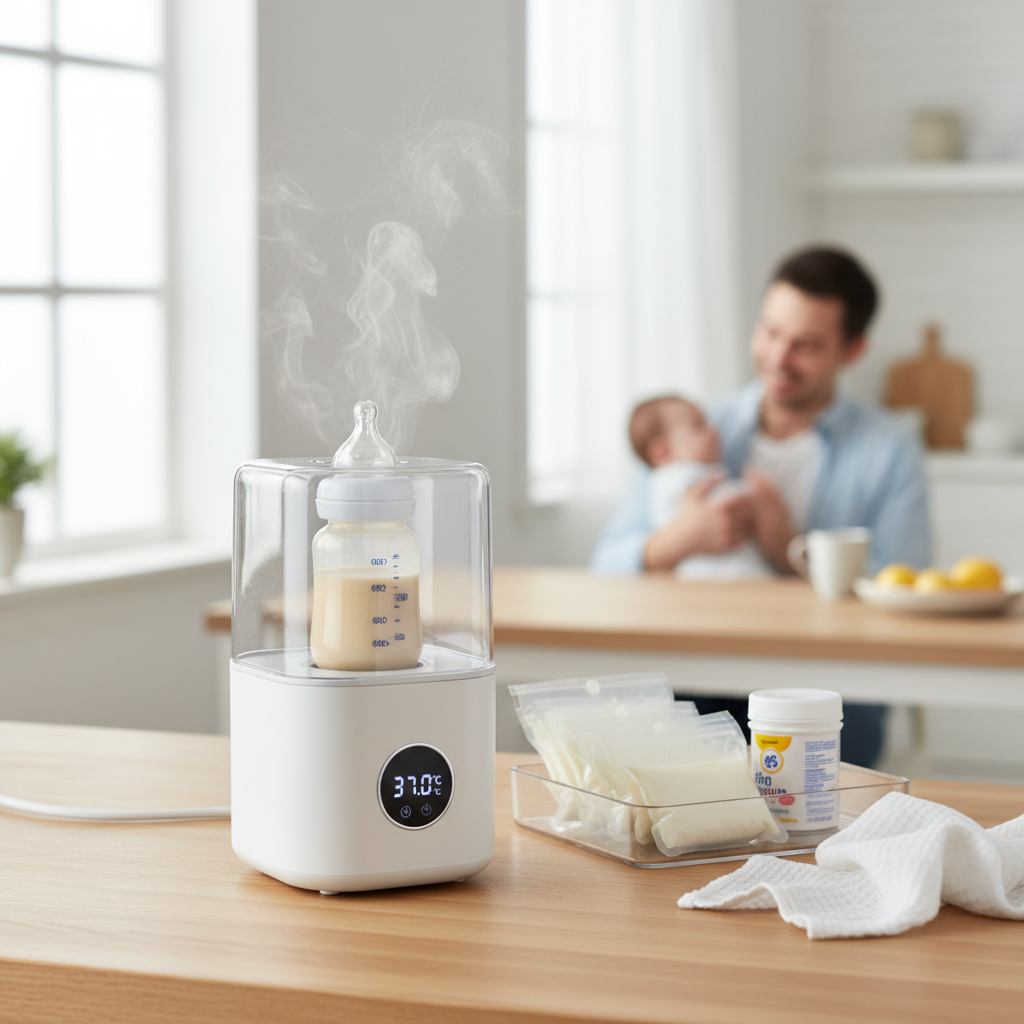
Limescale – that chalky, white residue often found clinging to your warmers – is more than just an unsightly nuisance. It’s a silent threat to the efficiency and lifespan of these vital appliances, from baby bottle warmers to food warmers, especially in areas with hard water. Understanding how to prevent and remove this mineral buildup is crucial for maintaining performance, ensuring hygiene, and extending the life of your equipment. This guide will walk you through practical strategies to keep your warmers free from limescale, ensuring they operate optimally for years to come.
The Silent Threat: Understanding Limescale Buildup in Warmers
Limescale is primarily composed of calcium carbonate, a hard mineral deposit left behind when hard water evaporates. Hard water, rich in dissolved minerals like calcium and magnesium, is prevalent in many regions. When this water is heated, as it is in a warmer, these minerals become even more concentrated and readily precipitate, forming the stubborn scale that coats heating elements and internal surfaces.
The impact of limescale buildup on your warmer is significant. It acts as an insulator, forcing the appliance to work harder and consume more energy to reach the desired temperature, ultimately leading to reduced efficiency and slower heating times. Over time, this mineral accumulation can cause blockages, corrode internal components, and eventually lead to malfunctions, significantly shortening the warmer’s lifespan. Beyond performance issues, limescale can also harbor bacteria and contribute to unpleasant odors, posing a potential hygiene concern, especially for appliances used with food or baby products.
Proactive Measures: Preventing Limescale Accumulation
Preventing limescale is far easier and more cost-effective than dealing with extensive buildup. Implementing a few simple habits can make a world of difference.
The Power of Water Choice
The type of water you use is the single most critical factor in preventing limescale.
- Distilled Water: This is the ultimate preventative measure. Distilled water has been processed to remove minerals and impurities, eliminating the source of limescale entirely. Using it consistently will drastically reduce, if not eliminate, the need for descaling.
- Filtered Water: If distilled water isn’t always an option, using filtered water can help. While not as effective as distilled water, filters can reduce the mineral content in tap water, slowing down limescale formation. A water filter pitcher can be a convenient investment for this purpose.
- Avoiding Tap Water (where hard): If you know your tap water is particularly hard, using it directly in your warmer will lead to rapid limescale accumulation.
|
Our Picks for the Best Milk warmer in 2026
As an Amazon Associate I earn from qualifying purchases.
|
||
| Num | Product | Action |
|---|---|---|
| 1 | Milk Frother, 4-in-1 Electric Milk Steamer, 350ml/11.8oz Automatic Frother Machine for Coffee, Warm and Cold Foam, Temperature Control for Latte, Cappuccino, Hot Chocolate |

|
| 2 | SIMPLETASTE Milk Frother, 4-in-1 Electric Milk Frother and Steamer, Automatic Warm and Cold Foam Maker and Milk Warmer for Latte, Cappuccinos, Dark Blue |
|
| 3 | Bottle Warmer, Grownsy 8-in-1 Fast Baby Bottle Warmer with Timer, Safe for Breastmilk Nutrients, Accurate Temperature Control, with Defrost, Sterili-zing, Keep Warm, Heats Baby Food & Bottles |
|
| 4 | Philips Avent Premium Fast Bottle Warmer, with Smart Temperature Control, Water Bath Technology, Automatic Shut-Off, Model SCF358 |
|
| 5 | Baby Brezza New and Improved Formula Pro Advanced Formula Dispenser Machine - Automatically Mix a Warm Formula Bottle Instantly - Easily Make Bottle with Automatic Powder Blending, White |
|
| 6 | Momcozy Portable Bottle Warmer for Travel – Dual Heating Modes for Breast Milk & Water, Portable Milk Warmer with Fast Heating & Long Battery Life, 17 Ounces Large Capacity to Meet Your All-Day Needs |
|
| 7 | SIMPLETASTE Milk Frother, 4-in-1 Electric Milk Steamer, Automatic Warm and Cold Foam Maker and Milk Warmer for Latte, Cappuccinos, Macchiato |
|
| 8 | Momcozy Portable Bottle Warmer for Travel – Dual Heating Modes for Breast Milk & Water, Portable Milk Warmer with Fast Heating & Long Battery Life, 17 Ounces Large Capacity, Purple |
|
| 9 | Momcozy Baby Bottle Warmer for Breast Milk Formula Food, Fullest Nutrients Preserved, Fast Heat, Night Light for Nighttime Breastfeeding, One-Touch Easy Use, Newborn Essentials Supplies Gift for Mom |
|
| 10 | Gevi Milk Frother,5 in 1 Stainless Steel Professional Milk Steamer,Easy to Clean Hot Chocolate Maker,for Hot and Cold Milk Frother for Latte,Macchiato,Cappuccino and Hot Chocolate |
|
Daily Habits for a Cleaner Warmer
Beyond water choice, daily maintenance habits play a vital role.
- Empty and Dry After Each Use: Never leave standing water in your warmer. After each use, empty the water reservoir and thoroughly dry the interior surfaces. This prevents minerals from settling and hardening as the water evaporates.
- Regular Rinses: A quick rinse with fresh water after each use can help dislodge any nascent mineral deposits before they become difficult to remove.
- Avoid Overfilling: Filling the warmer beyond the recommended level can lead to spills and splashes that contribute to mineral buildup in hard-to-reach areas.
Beyond the Warmer: Considering Whole-House Solutions
For households in extremely hard water areas, broader solutions might be worth considering.
- Water Softeners: A whole-house water softener system removes calcium and magnesium ions from your entire water supply, benefiting all appliances, not just your warmer. While a significant investment, it offers comprehensive protection.
- Whole-House Water Filter Systems: These systems can also reduce general impurities and mineral content in your water, contributing to overall limescale prevention across your home.
Effective Descaling: Removing Existing Limescale Deposits
Even with preventative measures, some minor buildup might occur over time. Regular descaling is essential to remove these deposits and restore your warmer’s efficiency.
Natural Remedies: White Vinegar
White vinegar is a highly effective, natural, and safe descaling agent due to its acetic acid content.
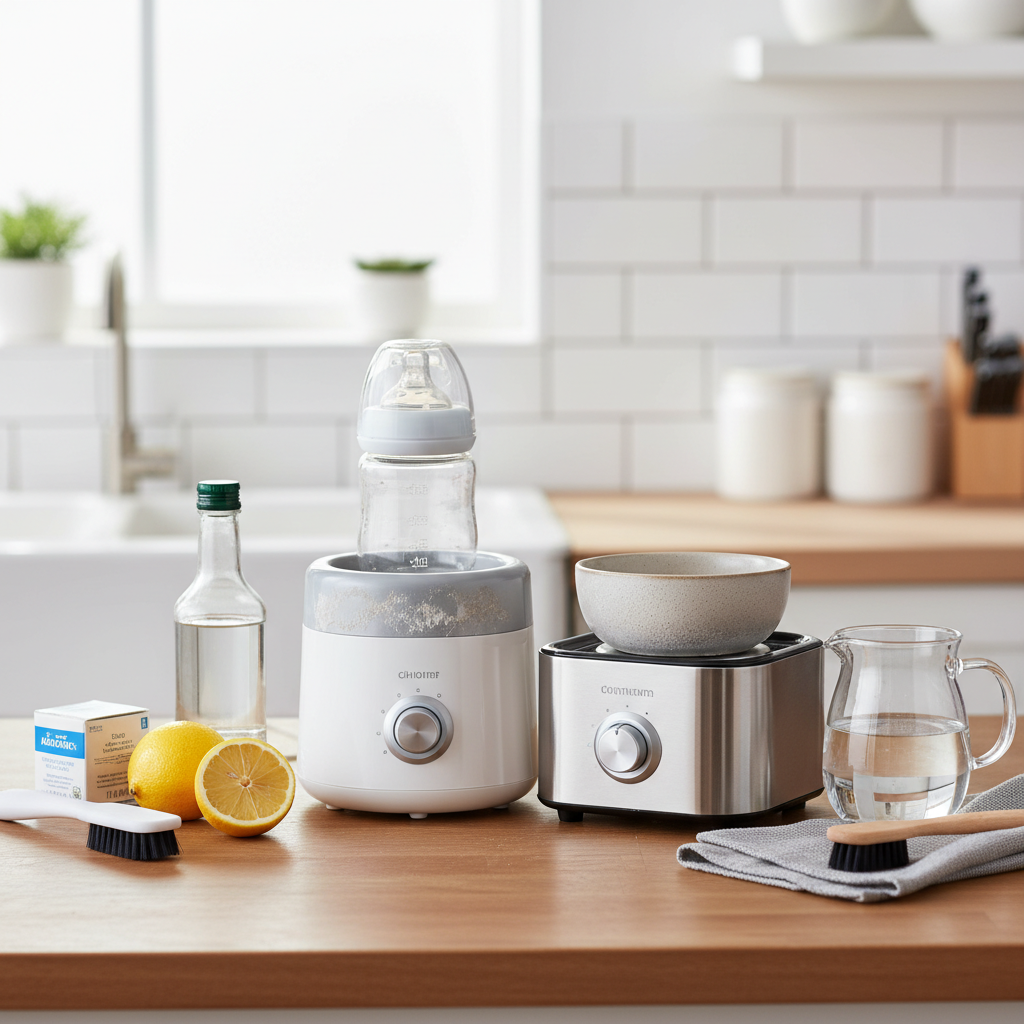
- Preparation: Mix equal parts white distilled vinegar and cold water. For example, use 2 ounces (60ml) of vinegar with 2-4 ounces (60-120ml) of water, depending on the size of your warmer’s reservoir.
- Application: Pour the vinegar solution into the warmer’s water chamber, ensuring it covers any visible limescale on the heating plate or interior.
- Soaking Time: Let the solution sit for 30 to 60 minutes. For more stubborn buildup, you can let it soak overnight. Some manufacturers recommend running a heating cycle with the solution, while others suggest just letting it sit. Always check your appliance’s manual for specific guidance.
- Rinse and Repeat: After soaking, discard the solution. Rinse the warmer thoroughly several times with clean water to remove any vinegar residue and loosened scale. You might need to gently scrub any remaining deposits with a soft brush or cloth. Run a cycle with clean water before resuming normal use to ensure all traces are gone. Ensure good ventilation when using vinegar, as its scent can be strong.
Other Safe Alternatives
- Citric Acid: Like vinegar, citric acid is an effective, natural descaler. You can typically dissolve a tablespoon or two of food-grade citric acid powder in water and use it in the same way as the vinegar solution.
- Commercial Descalers: Many appliance manufacturers offer their own branded descaling solutions. These are often formulated to be safe and effective for their specific products. Always follow the product instructions carefully.
Maintaining Optimal Performance: Best Practices for Your Warmer
To ensure your warmer continues to function efficiently and safely, integrate these best practices into your routine:
- Regular Inspection: Periodically check the heating plate and water reservoir for any signs of mineral buildup or damage. Early detection allows for easier removal.
- Avoid Harsh Chemicals: Never use bleach, ammonia, abrasive cleaners, or scouring pads. These can damage the warmer’s surfaces, heating elements, or other components, and residual chemicals could be harmful. Stick to natural solutions like vinegar or manufacturer-recommended descalers.
- Read the Manufacturer’s Instructions: Every warmer model may have slightly different cleaning and maintenance requirements. Always consult your appliance’s user manual for specific descaling frequencies, recommended solutions, and usage guidelines to prevent voiding warranties or causing damage.
- Clean Exterior: Wipe down the exterior of your warmer regularly with a damp cloth to keep it clean and hygienic.
“Consistent cleaning and using the right water can drastically extend the life of your warmer, saving you money and hassle in the long run.”
Conclusion
Limescale buildup is a common issue for warmers, but it’s one that can be effectively managed with simple preventative measures and regular descaling. By opting for distilled or filtered water, maintaining daily cleaning habits, and performing routine descaling with natural solutions like white vinegar, you can safeguard your appliance from mineral damage. This proactive approach ensures your warmer operates efficiently, maintains optimal hygiene, and serves your family reliably for years to come. What steps will you take today to protect your warmer from limescale?
Frequently Asked Questions
How often should I descale my warmer?
The frequency depends on your water hardness and how often you use the warmer. If you use hard tap water daily, descaling every 2-4 weeks is advisable. With distilled or filtered water, you might only need to descale every few months or as soon as you notice any buildup.
Can I use tap water if I filter it?
Yes, using filtered tap water is a better alternative than unfiltered tap water as it reduces some mineral content, slowing down limescale formation. However, for the best prevention, distilled water is still recommended.
Is limescale harmful to my baby if it’s a bottle warmer?
While limescale itself is generally not considered harmful if ingested in small amounts, its presence can affect the warmer’s performance and potentially harbor bacteria if not cleaned regularly. Ensuring a limescale-free warmer contributes to overall hygiene and optimal functioning for your baby’s bottles.